

One glass of wine sent Sarah to the ER three months post-surgery. Her blood alcohol hit 0.15—legally drunk—from what used to be her “barely tipsy” amount. This is the reality of alcohol after gastric sleeve that catches everyone off guard.
What we’ll cover:
- The 6-12 month waiting period explained
- Why alcohol hits differently post-surgery
- Safe drinking guidelines when you’re ready
- Hidden dangers most patients discover too late
- Alternative ways to socialize without risking your results
Dr. Michael Choi tells his patients straight up: alcohol after sleeve surgery isn’t just about willpower—it’s about biology. His 5,000+ successful surgeries taught him that patients who understand the “why” behind the rules have better long-term success.
The 6-12 Month Waiting Period Explained
Most bariatric surgeons insist on avoiding alcohol for at least six months after gastric sleeve surgery. Dr. Choi recommends waiting the full year. This isn’t arbitrary—your digestive system needs time to heal and adapt before handling alcohol consumption.
During the first three months, your stomach’s reduced size is still healing from surgery. The staple line needs to strengthen, swelling must subside, and new eating patterns need to establish. Introducing alcohol too early risks serious complications, including ulcers, leaks, and severe dehydration.
Why the One Year Mark Matters
Between months 3-6, rapid weight loss puts your body in survival mode. Your liver works overtime processing fat stores while managing nutritional deficiencies. Adding alcohol metabolism to this workload can damage liver function permanently.
By month 12, most bariatric surgery patients have:
- Stabilized their weight loss
- Developed solid eating habits
- Restored nutrient levels
- Healed completely internally
The timeline also helps identify addiction transfer patterns. About 20% of weight loss surgery patients develop alcohol use disorders within two years. That food addiction energy needs somewhere to go—and alcohol becomes an easy substitute.
Why Alcohol Consumption Hits Differently Post-Surgery
Here’s what shocks gastric sleeve patients: one drink can make you legally drunk. Your blood alcohol concentration skyrockets because everything about alcohol absorption changed with your surgery.
The Science Behind Your New Reality
Your stomach normally produces alcohol dehydrogenase, an enzyme that starts breaking down alcohol before it reaches your bloodstream. After sleeve gastrectomy, you’ve lost 80% of that stomach tissue—and most of those enzymes. Result? Alcohol hits your small intestine almost immediately.
The alcohol impacts are dramatic:
- Blood alcohol levels peak 2-3x higher than pre-surgery
- Intoxication happens within 5-10 minutes
- Effects last longer despite drinking less
- Empty stomach makes it worse (and you’re always semi-empty now)
The Metabolism Changes Nobody Mentions
Rapid weight loss depletes glycogen stores in your liver. Without these reserves, your body can’t buffer alcohol’s effects. Low carbohydrate intake—essential for weight loss—makes this worse. You’re essentially drinking alcohol with zero metabolic protection.
Bariatric patients also face:
- Developing low blood sugar from alcohol blocking glucose production
- Increased intoxication from faster absorption
- Higher risk of alcohol poisoning from miscalculating limits
- Reduced tolerance that doesn’t improve with time
Safe Drinking Guidelines When You’re Ready

After your surgeon clears you for resuming alcohol consumption—typically at the one year mark—you still need strict protocols. These aren’t suggestions; many patients learn these rules through ER visits.
The New Rules for Drinking Alcohol After Gastric Sleeve Surgery
Start ridiculously small. We’re talking 2 ounces of wine, not a glass. Mix spirits with diluted juice or water—never drink them straight. Your first drink back should happen at home, with someone monitoring you.
Essential safety measures:
- Eat protein before any alcohol consumption
- Set a two-drink maximum (4 ounces wine total)
- Wait 30 minutes between sips
- Never drink carbonated beverages or beer
- Stop drinking at the first sign of nausea
Choosing Your Drinks Wisely
Not all alcoholic beverages work post-surgery. Carbonated drinks cause painful gas and stretching. Sugary drinks lead to dumping syndrome (though less common with sleeve than gastric bypass). High-proof alcohol burns your sensitive stomach lining.
Safe options:
- Dry wine (lower sugar)
- Clear spirits with water
- Light cocktails without carbonation
- Diluted, room-temperature drinks
Always avoid:
- Beer (carbonation + volume)
- Champagne or prosecco
- Frozen/slushy drinks
- Shots of any kind
- Energy drink mixers
Hidden Dangers Most Patients Discover Too Late
Beyond increased intoxication, alcohol after bariatric surgery brings risks nobody talks about during pre-op classes. These complications send patients to the ER—or worse, into addiction treatment.
The Addiction Transfer Nightmare
Remember that food addiction that drove you to surgery? It doesn’t disappear—it transforms. Without the ability to binge eat, your brain seeks new rewards. Alcohol becomes the substitute, potentially leading to substance use disorder.
Warning signs of addiction transfer:
- Counting days until you can drink
- Hiding alcohol consumption from family
- Drinking to manage emotions
- Rapid progression from occasional to daily use
- Prioritizing alcohol over food consumption
Studies show that bariatric surgery patients face double the risk of developing alcohol abuse compared to the general population. The combination of increased effects and emotional vulnerability creates perfect storm conditions.
Medical Complications That Blindside Patients of Bariatric Surgery
Severe hypoglycemia tops the danger list. Alcohol blocks your liver from releasing glucose while your low food intake provides minimal reserves. Patients report passing out, seizures, and emergency hospitalizations from blood sugar crashes.
Other hidden risks:
- Ulcers forming where alcohol contacts staple lines
- Nutritional deficiencies worsening from empty calories
- Weight gain from excess calories (alcohol has 7 calories per gram)
- Dehydration severe enough to require IV fluids
- Medication interactions with anti-nausea remedies and vitamins
Dr. Choi’s patients who completely avoid alcohol for 18 months report better weight loss goals achievement and fewer complications overall.
Alternative Ways to Socialize Without Risking Your Results
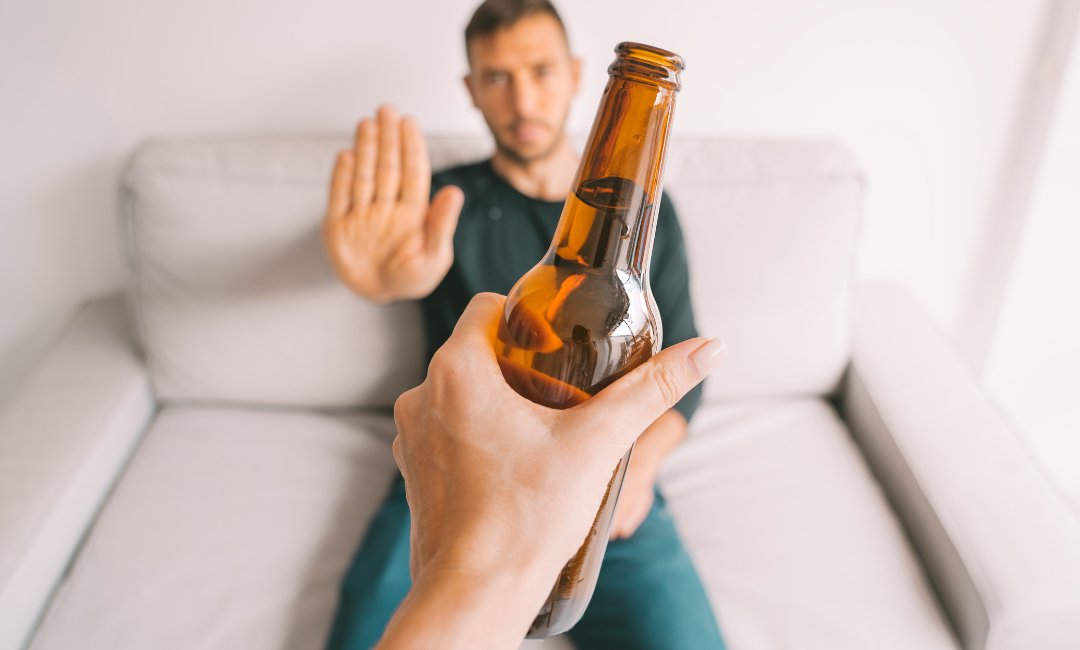
Social drinking was probably part of your pre-surgery life. Now you need new strategies for restaurants, parties, and celebrations that don’t involve risking everything you’ve worked for.
Mocktails That Actually Satisfy
Bariatric surgeons recommend creative non-alcoholic options that feel special without the risks. Mix sparkling water (flat, not carbonated) with fresh herbs and citrus. Create “virgin” versions using sugar-free syrups and fresh fruit.
Smart substitutes:
- Kombucha (watch sugar content)
- Flavored water with fresh mint or cucumber
- Hot herbal teas in social settings
- Sugar-free apple cider (heated in winter)
- Protein smoothies for brunch gatherings
Reframing Your Social Life
The healthiest bariatric patients redesign their social calendars around activities, not eating or drinking. This prevents both weight gain and the temptation to test alcohol limits.
Activities that support your healthy lifestyle:
- Morning coffee walks instead of happy hours
- Cooking classes focused on bariatric-friendly meals
- Dance lessons or group fitness
- Book clubs meeting at libraries, not bars
- Volunteer work during typical “drinking hours”
Several precautions help navigate drinking-centered events. Arrive later, leave earlier. Hold a drink (water) so nobody offers you alcohol. Have a response ready: “I’m on medication” works without explaining surgery.
Many patients discover they were using alcohol to tolerate situations they didn’t enjoy anyway. Post-surgery clarity helps identify which social connections actually matter versus those centered on consuming alcohol together.
Navigate Your Post-Surgery Journey Safely with Dr. Choi
The truth about alcohol after gastric sleeve isn’t pretty—but knowledge keeps you safe. Whether you’re counting days until that first sip or committed to staying dry, making informed decisions protects your investment in yourself.
Key takeaways:
- Wait minimum 6-12 months before reintroducing alcohol
- Alcohol enters your bloodstream faster, causing 2-3x higher intoxication
- Addiction transfer risk doubles after bariatric procedures
- One drink can cause dangerous blood sugar crashes
- Safe limit is 2-4 ounces maximum when cleared
- Many successful patients choose permanent sobriety
Dr. Choi’s approach to post-surgery life goes beyond just avoiding complications—it’s about your complete well-being. His daily check-ins during recovery include honest conversations about alcohol risks, helping patients build sustainable habits that prevent both weight regain and dangerous drinking patterns long-term.
FAQs
What is the best alcoholic drink after gastric sleeve?
Dry red wine in 2-ounce servings is typically safest when you’re cleared for reintroducing alcohol. It has lower sugar content than cocktails, avoiding blood sugar spikes. Always dilute it with water to slow absorption and reduce calorie content. Never choose carbonated options—they cause painful gas and can stretch your pouch, potentially leading to the need to prevent vomiting.
Can I ever drink normally again after gastric sleeve?
No, drinking “normally” isn’t possible post-surgery. Your anatomy is permanently altered, meaning alcohol enters the bloodstream faster forever. You’ll always face increased risk of intoxication, addiction, and complications. Most successful patients accept this new reality and either avoid drinking alcohol entirely or limit themselves to rare, carefully controlled occasions.
Why do I get drunk so fast after gastric sleeve?
Your stomach produced enzymes that broke down alcohol before it hit your intestines. Now, with 80% less stomach tissue, alcohol rockets straight to your small intestine for immediate absorption. Combined with less food in your system and depleted glycogen stores, you’re essentially drinking on an empty stomach every time—even after eating.
Will alcohol make me gain weight after gastric sleeve?
Yes, alcohol is a major threat to maintaining weight loss. At 7 calories per gram (nearly double carbs or protein), those empty calories add up fast. Worse, alcohol lowers inhibitions around food choices and can trigger old eating patterns. Many patients who gain weight post-surgery identify alcohol reintroduction as the turning point where things went wrong.


