

That uncomfortable fullness hits different after weight loss surgery. One bite too many can turn your stomach into a pressure cooker, leaving you wondering if you’ve just undone months of progress. Here’s the truth: overeating after bariatric surgery feels nothing like it did before, and recognizing the signs early can save you from hours of misery.
Your new stomach holds about 4-6 ounces—roughly the size of an egg. Push past that limit, and your body sends immediate distress signals that patients often misread as normal discomfort.
What we’ll cover:
- Physical warning signs your stomach has reached capacity
- The 20-minute rule that changes everything
- Emergency relief techniques for when you’ve gone too far
- Portion control strategies that actually work post-surgery
- Common trigger foods that cause problems
Dr. Michael Choi has guided over 5,000 patients through their post-op journey in South Florida. His patients consistently report that learning these signals early made the difference between struggling and thriving. With 20+ years of perfecting bariatric techniques, he’s seen every overeating scenario imaginable.
Physical Warning Signs Your Stomach Has Reached Capacity
Your body starts screaming “stop” way before your brain catches up. After bariatric surgery, these signals hit fast and hard—usually within 2-3 bites of reaching your limit.
The pressure starts first. You’ll feel tightness right below your breastbone, like someone’s inflating a balloon inside your chest. Then comes the shoulder pain. Yeah, shoulder pain. Your vagus nerve connects your stomach to your shoulders, and when you overeat, it sends referred pain straight up.
Watch for these red flags:
- Sudden hiccups that won’t quit
- Runny nose (weird but common)
- Excessive saliva production
- Chest tightness or difficulty breathing
- Nausea that builds gradually
- Sharp pain between your shoulder blades
The “foamies” deserve special mention. This happens when thick saliva backs up because there’s literally no room left. You’ll know it when you feel it—constant spitting and inability to swallow properly.
Pro tip: Stop eating at the first hint of fullness, not when you’re satisfied.
The 20-Minute Rule That Changes Everything
You’ve been eating wrong your whole life. After gastric sleeve surgery or gastric bypass, this becomes painfully obvious. Your brain needs 20 full minutes to register fullness signals from your digestive system. But here’s the kicker—your stomach pouch fills up in about 5 minutes.
Put your fork down between bites. Seriously. Chew 20-30 times per bite, then wait. This isn’t just about preventing overeating after a gastric sleeve—it’s about retraining your eating habits completely. Set a timer if you need to.
Many bariatric patients discover that what feels like hunger at minute 10 becomes uncomfortable fullness by minute 20. Your smaller stomach doesn’t have room for error. Dr. Choi tells his gastric bypass surgery patients to treat meals like meditation sessions. Slow. Deliberate. Mindful.
The math is simple: Eat slowly for 20 minutes = avoid overeating. Rushing through in 5 minutes = misery for hours.
Emergency Relief Techniques for When You’ve Gone Too Far

You pushed it. Now you’re paying for it. Don’t panic—but don’t lie down either.
Walk. Even if you feel like curling into a ball, gentle movement helps excess food move through your digestive system faster. Five minutes of pacing can prevent hours of agony. Keep your posture straight to avoid compressing your stomach pouch further.
Immediate relief strategies:
- Sip warm peppermint tea (tiny sips only)
- Apply heat to your upper abdomen
- Practice deep breathing exercises
- Stand or sit upright for 30+ minutes
- Gentle torso twists while standing
If vomiting happens, let it. Your body knows what it’s doing. Fighting it only increases pressure and can damage your surgical site. Afterward, wait two hours before attempting any food intake.
Symptoms lasting over 4 hours need medical attention. Severe pain, continuous vomiting, or difficulty breathing means call your surgeon. Dr. Choi’s team provides 24/7 support because complications from overeating post-surgery can escalate quickly.
Warning: Never force yourself to vomit. This can cause your stomach to slip or staple lines to tear.
Portion Control Strategies That Actually Work Post-Surgery
Forget everything you know about portion sizes. Your stomach size now holds 4-6 ounces max—that’s half a cup of food. Visual cues save lives (and prevent overeating).
Buy baby spoons. Not kidding. Smaller utensils naturally slow your eating pace and reduce bite sizes. Use 4-inch plates instead of dinner plates. Your brain sees a full plate and feels satisfied, even with small portions.
The measuring cup method:
- Weeks 1-4: 2-4 tablespoons per meal
- Months 2-3: 1/4 cup per meal
- Months 4-6: 1/2 cup per meal
- After 6 months: 3/4 to 1 cup maximum
Pre-portion everything. When you meal prep, immediately divide food into tiny containers. Never eat from packages or serving dishes. The “just one more bite” mentality will destroy your weight loss progress.
Protein first, always. Fill half your small pouch with lean protein, then vegetables, then (if there’s room) whole grains. This hierarchy prevents blood sugar spikes and maximizes nutrition in minimal space.
Dr. Choi’s most successful patients use a food scale religiously for the first year. Eyeballing portions after a gastric sleeve procedure leads to gradual stretching.
Common Trigger Foods That Cause Problems
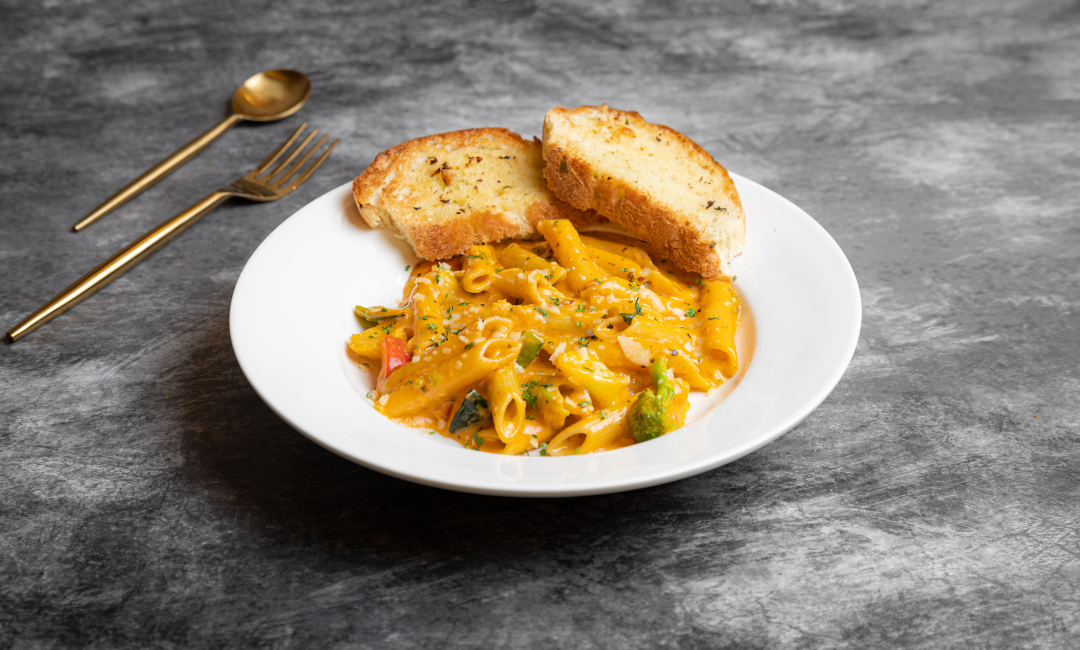
Some foods are ticking time bombs for bariatric patients. They either expand in your stomach, cause dumping syndrome, or trigger painful acid reflux.
The worst offenders:
- Bread and pasta: Absorb liquid and triple in size
- Rice: Swells up to 3x its original volume
- Carbonated drinks: Create gas bubbles that stretch your pouch
- Fibrous vegetables: Celery, asparagus, and corn get stuck easily
- Tough meats: Steak, pork chops sit like rocks
- Sugary foods: Trigger dumping syndrome with diarrhea, sweating, rapid heartbeat
Dry, dense proteins cause the most emergency calls to Dr. Choi’s office. Chicken breast without sauce becomes cement in your small intestines. Add moisture to everything—gravies, broths, and sauces make proteins manageable.
Raw vegetables seem healthy, but they can cause blockages. Steam or roast them until fork-tender. Your stomach acid production decreased after surgery, making raw foods harder to break down.
Surprising problem foods:
- Eggs (too dense for many)
- Lettuce (balls up and blocks)
- Nuts (don’t break down properly)
- Popcorn (sharp edges irritate)
Gastroesophageal reflux disease affects 30% of sleeve patients. Spicy foods, tomatoes, citrus, and chocolate become instant regret. Keep antacids handy and track your trigger foods in a journal.
Testing new foods? Try one tablespoon first. Wait 20 minutes. If no symptoms appear, you’re clear. This prevents catastrophic overeating after gastric bypass disasters.
Your Long-Term Success Starts With Dr. Michael Choi
Overeating after gastric sleeve becomes less scary when you know the signs. Your body’s new signals are actually protecting you—paying attention to them determines whether you struggle or thrive post-surgery.
Key takeaways:
- Stop eating at first fullness, not satisfaction
- Use the 20-minute rule for every meal
- Measure portions religiously—your eyes will lie
- Walk immediately if you overdo it
- Avoid trigger foods that expand or cause blockages
- Track symptoms to identify your personal problem foods
Dr. Choi’s patients who achieve long-term success share one trait: they respect their new anatomy. With over 5,000 surgeries completed, he’s developed coping strategies and meal plans that actually work. His daily follow-up calls catch overeating issues before they become habits, reducing your risk of pouch stretching.
FAQs
What happens if you overeat after a gastric bypass surgery?
Overeating triggers immediate discomfort, including chest pressure, nausea, and the “foamies” (excessive saliva production). More food than your pouch can handle causes vomiting, shoulder pain, and potentially dumping syndrome. Repeated overeating stretches your pouch, sabotaging your ability to lose weight long-term.
How do you tell if you stretched your pouch?
You’ll notice you can eat larger portions without discomfort, hunger returns quickly after meals, and weight loss stalls or reverses. If you’re eating more than 1.5 cups per meal after year one, you’ve likely stretched your pouch. An upper GI series can confirm stretching.
What are the symptoms of fullness after gastric sleeve surgery?
Fullness feels like pressure below your breastbone, hiccups, a runny nose, or tightness in your chest. You might experience shoulder pain or upper back discomfort. These symptoms hit suddenly, often within one bite of reaching capacity. Stop eating immediately when they appear.
What happens if you eat too much after surgery?
Excess food has nowhere to go in your tiny stomach. You’ll experience pain, nausea, vomiting, and possible dumping syndrome with diarrhea, sweating, and rapid heartbeat. Severe cases risk tearing surgical sites or causing food to back up into your esophagus, triggering acid reflux.


