

Ever wondered what happens after weight loss surgery if you slip up and overeat? It’s a common concern, and honestly, it’s okay to have questions. This isn’t about judgment; it’s about understanding and equipping you with the right information.
We’re here to give you the facts, straight up. This article addresses those concerns head-on. We’ll cover:
- The immediate and long-term effects of overeating.
- Practical strategies to maintain portion control.
- The importance of follow-up care and emotional support.
- What to do if you do overeat.
Dr. Michael Choi is a leading bariatric surgeon in South Florida, having performed over 5,000 successful weight loss procedures. He and his team are dedicated to supporting patients through every step of their weight loss journey.
The Immediate and Long-Term Effects of Overeating

Overeating after weight loss surgery can have both immediate and long-term consequences. It’s crucial to understand these effects to stay on track with your weight loss goals. Think of it this way: your body has undergone a significant change, and you need to adjust your eating habits accordingly.
Immediate Effects
Right after gastric bypass surgery, your stomach is much smaller. Overeating can lead to some pretty uncomfortable experiences. We’re talking nausea, vomiting, and abdominal cramping. Nobody wants that.
“Dumping syndrome” is another possibility. This occurs when food moves too quickly from your stomach into your small intestine. The result? Diarrhea, sweating, dizziness, and weakness. It’s your body’s way of saying, “Whoa, slow down.”
Long-Term Risks
The long-term risks of overeating are more serious. Repeatedly overeating can stretch your smaller stomach. This can lead to weight regain, which defeats the purpose of the gastric sleeve procedure in the first place. It’s like taking one step forward and two steps back. You also risk undoing the health improvements you’ve achieved.
Conditions like diabetes, high blood pressure, and sleep apnea can return. Nutritional deficiencies are another concern. If you’re not eating the right balance of nutrients, you could develop deficiencies in essential vitamins and minerals. This can lead to fatigue, hair loss, and other health problems. It’s a domino effect.
embed video here: https://youtu.be/pv4cT-ytEs8
Practical Strategies to Maintain Portion Control
Portion control is the cornerstone of successful weight management after bariatric surgery. It’s not just about eating less; it’s about eating smart. Here are some practical strategies to help you maintain healthy portion sizes:
- Visual Cues: Use smaller plates. This simple trick can make a big difference. A smaller plate makes a smaller portion look larger, which can help with feeling satisfied. Think of it as an optical illusion for your stomach. Also, be mindful of serving sizes. Check food labels and use measuring cups or a food scale to ensure you’re not overdoing it.
- Slow and Steady: Eat slowly and mindfully. Savor each bite and pay attention to your body’s signals. It takes time for your brain to register that you’re full. Rushing through meals can lead to overeating. Put down your fork between bites and focus on the taste and texture of your food. No distractions, either. Turn off the TV and put away your phone.
- The Power of Protein and Water: Prioritize protein. Protein helps you feel fuller for longer, which can reduce cravings and prevent overeating. Include lean protein sources in every meal, such as chicken, fish, beans, or Greek yogurt. Don’t forget hydration. Drink plenty of water throughout the day. Sometimes, thirst can be mistaken for hunger. Drinking water can help you feel full and prevent unnecessary snacking.
- Smart Snacking: Plan your snacks. Having healthy snacks on hand can prevent you from reaching for unhealthy options when hunger strikes. Think of things like nuts, fruits, or a small protein shake. Portion out your snacks in advance to avoid overeating. It’s all about being prepared.
How Do You Know If You Have Overeaten?
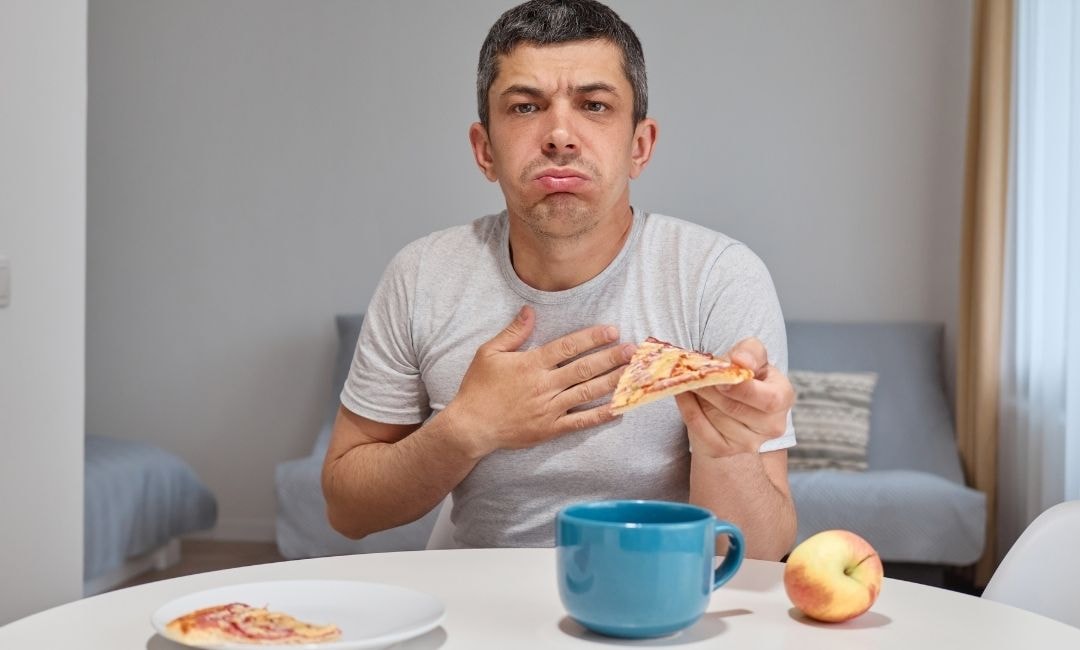
It might seem obvious, but sometimes it’s hard to recognize when you’ve crossed the line from comfortably full to overstuffed. Especially after weight loss surgery, your body’s signals can feel different. Here are some telltale signs you might have overeaten:
- Physical Symptoms: Your body often gives you clear signals when you’ve had too much. Think of these as your internal alarms. Common physical symptoms of overeating include:
- Nausea: That queasy feeling in your stomach is a major red flag.
- Vomiting: Your body’s way of rejecting excess food.
- Abdominal pain or cramping: Your stomach is stretched and unhappy.
- Bloating: Your stomach feels tight and distended.
- Reflux or heartburn: Food is backing up into your esophagus.
- Rapid heartbeat: Your body is working overtime to digest the excess food.
- Sweating: Another sign your body is working hard.
- Dizziness or lightheadedness: Can be related to dumping syndrome or blood sugar fluctuations.
- Feeling Uncomfortably Full: Beyond the immediate physical symptoms, you might just feel uncomfortably full. This is different from feeling satisfied after a meal. You might feel sluggish, heavy, and unable to move comfortably. You might even have to loosen your clothing. It’s that feeling of “I shouldn’t have eaten that.”
- Eating Beyond Fullness: One of the biggest indicators is simply eating past the point of fullness. After weight loss surgery, it’s crucial to listen to your body’s hunger and fullness cues. If you continue to eat even when you’re feeling full, you’re likely overeating. It’s about respecting your new stomach size.
- Emotional Eating: Sometimes, overeating isn’t about physical hunger at all. It can be related to emotional eating. If you find yourself eating when you’re stressed, bored, or sad, you might be using food to cope with your emotions. This is a different type of overeating, and it requires a different approach.
Keeping a food journal can be incredibly helpful. It allows you to track what you’re eating, how much you’re eating, and how you feel after each meal. This can help you identify patterns of overeating and make adjustments to your eating habits. It’s about building awareness.
embed video here: https://youtu.be/IvJKA181dKQ
What to Do If You Do Overeat?
Let’s be real: everyone slips up occasionally. If you overeat after weight loss surgery, don’t panic. It’s not the end of the world. The important thing is to get back on track as quickly as possible. Here’s what you can do:
Don’t Beat Yourself Up
First and foremost, don’t beat yourself up about it. Everyone makes mistakes. Dwelling on it will only make you feel worse and could lead to more unhealthy eating habits. Acknowledge the slip-up, learn from it, and move on. It’s a new day.
Reassess Your Portions
Get back to your regular portion sizes at your next meal. Don’t try to compensate by skipping meals or drastically reducing your calorie intake. This can backfire and lead to more cravings and overeating later on. Just return to your healthy diet plan.
Reflect and Learn
Take some time to reflect on what triggered the overeating. Were you stressed? Bored? Did you skip a meal and become overly hungry?
Identifying your triggers can help you prevent similar situations in the future. It’s about understanding your patterns.
Stay Hydrated
Drink plenty of water. This can help you feel full and prevent you from overeating again.
Sometimes, overeating can be a sign of dehydration. So, make sure you’re staying hydrated besides having limit food intake.
Talk to Your Support Team
If overeating becomes a frequent issue, talk to your surgeon, dietitian, or therapist. They can provide guidance and support to help you get back on track and develop healthier coping mechanisms. Remember, you’re not alone in this. They’re there to support you.
embed video here: https://youtu.be/1VTuSOs0lzo
Ready to Achieve Your Goals with Dr. Choi’s Expert Guidance?
Overeating after weight loss surgery, especially after procedures like gastric bypass which affect the stomach pouch, can have both immediate and long-term consequences, including worsening acid reflux.
Understanding these risks and implementing practical strategies is key to your ability to lose weight and maintain that loss. Remember, you’re not alone on this journey. Support is available, and long-term success is absolutely achievable.
Key takeaways
- Too much food intake can cause nausea, vomiting, and dumping syndrome.
- Long-term overeating can lead to weight regain and health problems.
- Portion control, mindful eating, and hydration are essential.
- Follow-up care and emotional support are vital for success.
- Don’t panic if you overeat; get back on track quickly.
Dr. Michael Choi and his team are dedicated to helping you achieve your weight loss goals. We provide comprehensive support, from pre-op consultations to post-op care. If you’re ready to start your journey towards a healthier you, contact Dr. Choi’s office today.


