

Choosing a path for significant weight loss feels monumental. You see headlines about Ozempic, but you also know surgery is a powerful option. Which one actually delivers lasting change without requiring lifelong medication or risking serious muscle loss down the line? Let’s look past the hype.
A body mass index (BMI) of 30 or greater is considered obese, which has significant implications for treatment eligibility and health outcomes.
Here’s what we’ll cover:
- The core mechanics: How Ozempic and surgery differ
- Real results: Short-term wins vs. long-term success
- Commitment: Lifelong injections vs. a single procedure
- Muscle preservation: Why it matters for your metabolism
- Beyond weight: Impact on other health issues and obesity treatments
Deciding requires clear facts. Dr. Michael Choi, a leading South Florida bariatric surgeon with over 5,000 successful procedures, guides obese patients through this specific comparison regularly. He helps people find the solution that truly fits their life and health goals.
TL;DR: Ozempic vs. Bariatric Surgery
| Feature | Ozempic (Semaglutide) | Bariatric Surgery (e.g., Gastric Sleeve, Bypass) |
|---|---|---|
| Mechanism | Medication (mimics gut hormones) | Physical/Anatomical Change (stomach/intestines) |
| Typical Weight Loss | Moderate (~15% total body weight) | Significant (50-70%+ excess body weight) |
| Sustainability | High chance of regain if stopped | Designed for lasting results |
| Muscle Impact | Concern for higher proportion of muscle loss | Generally better muscle preservation |
| Commitment | Likely lifelong injections for maintenance | One-time procedure + ongoing healthy habits |
| Health Conditions | Improves (diabetes, BP, etc.) | Often dramatically improves or resolves conditions |
Understanding Gastric Bypass Surgery
Gastric bypass surgery is a type of bariatric surgery that involves creating a small stomach pouch and rerouting the small intestine to promote significant weight loss. This surgical procedure has been shown to be effective in treating morbid obesity, with an expected weight loss of 60-80% of excess body weight within the first year.
Gastric bypass surgery can also improve obesity-related comorbidities, such as type 2 diabetes, hypertension, and sleep apnea. However, it is essential to consider the potential risks and side effects of gastric bypass surgery, including nutritional deficiencies, digestive issues, and the need for ongoing medical care.
How Ozempic Works with GLP-1
Ozempic is a weight loss medication that works by mimicking the hormone glucagon-like peptide-1 (GLP-1), which helps regulate blood glucose levels and appetite. By increasing GLP-1 levels, Ozempic reduces food intake, slows gastric emptying, and promotes significant weight loss.
Clinical trials have shown that Ozempic can lead to an average weight loss of 10-15% of body weight, with some patients achieving even more substantial weight loss. However, it is crucial to consider the potential side effects of Ozempic, including nausea, vomiting, and diarrhea, as well as the need for ongoing medical monitoring.
How Ozempic and Surgery Differ
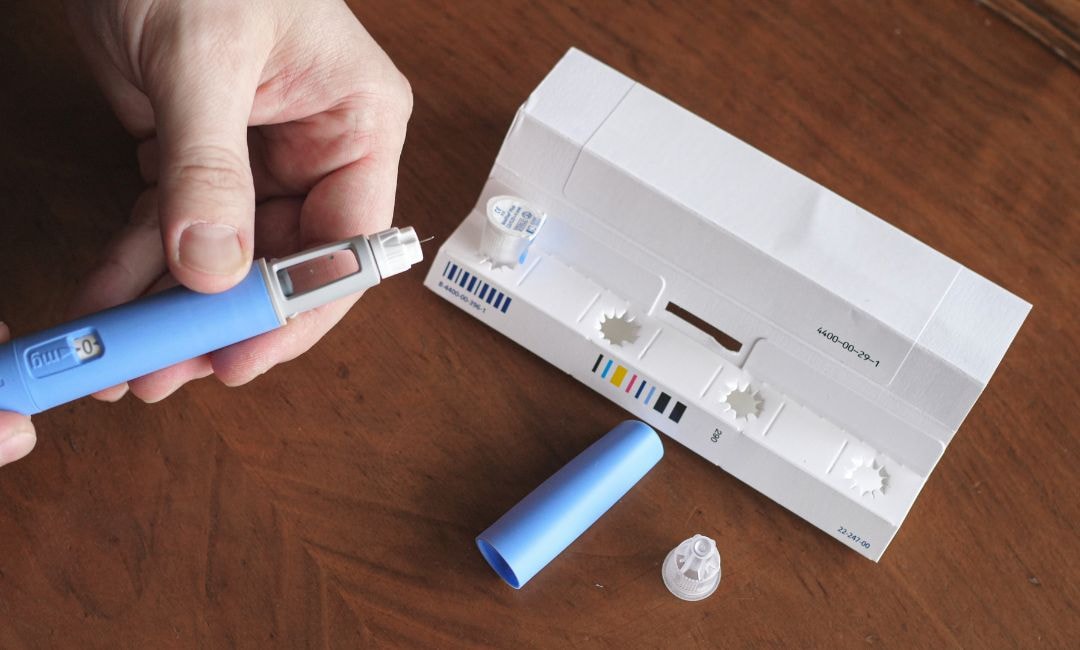
Thinking about Ozempic versus surgery means looking at two fundamentally different approaches to weight loss. One uses medication, the other changes your body’s structure. Let’s clarify how each works.
Ozempic (semaglutide) is an injectable medication. It belongs to a class called GLP-1 receptor agonists. Ozempic is part of a class of diabetes drugs that are also used for weight loss journey. Put simply, it mimics a natural gut hormone that signals fullness to your brain. It also slows stomach emptying, making you feel satisfied with less food for longer. It’s a pharmacological route – using drugs to influence appetite and digestion. This non-surgical treatment provides an option for those who may not be candidates for bariatric surgery.
Bariatric surgery, conversely, is an anatomical approach. Procedures like the Gastric Sleeve surgery or SADI (both offered by Dr. Choi) physically alter your digestive system. This usually involves:
- Restriction: Making the stomach smaller (like with the Gastric Sleeve) so you physically cannot hold as much food.
- Malabsorption: Sometimes rerouting the intestines so your body absorbs fewer calories (part of the SADI procedure).
These changes directly limit food intake and can also trigger beneficial hormonal shifts that reduce hunger. It’s a one-time structural change designed for long-term impact, unlike ongoing medication. Metabolic and bariatric surgery not only promotes significant weight loss but also has lasting impacts on conditions such as metabolic syndrome and type 2 diabetes. Dr. Choi even utilizes advanced techniques like DaVinci robotic surgery for minimally invasive procedures like the Gastric Sleeve, improving recovery.
Real Results: Short-Term Wins vs. Long-Term Success
Both bariatric surgery and Ozempic can help you lose weight initially. That’s undeniable. But the real question is about keeping it off and the quality of that weight loss. The goals and outcomes often diverge significantly after the first year. Sustaining weight loss is often more challenging with medication alone, as it typically requires ongoing treatment to maintain weight loss results.
Ozempic can lead to meaningful weight loss, often around 15% of total body weight for many users in clinical trials. That sounds great, right? The catch is that maintaining those results typically requires continuing the injections indefinitely. Stop the medication, and studies show the weight often comes back. There’s also growing concern that a notable chunk of weight lost on these drugs (some reports suggest up to 40%) can be lean muscle mass, not just fat. Losing muscle can, unfortunately, slow your metabolism.
Bariatric surgery, on the other hand, generally produces more substantial and more durable weight loss. Patients undergoing procedures like the Gastric Sleeve with experienced surgeons like Dr. Choi often lose 50-70% or even more of their excess body weight. Because surgery physically changes how your body handles food and triggers helpful hormonal responses, the results are built to last. It targets fat loss while better preserving that crucial muscle. Unlike lifestyle interventions, which often lead to temporary results, surgery offers a more permanent solution.
Let’s look at the key outcome differences:
- Peak Weight Loss: Generally higher with surgery.
- Sustainability: Surgery results are typically much more permanent without lifelong medication. Weight regain after stopping Ozempic is common.
- Muscle Mass: Surgery tends to preserve muscle better; significant muscle loss is a potential issue with Ozempic. The weight loss achieved through Ozempic can be significant, but surgery often leads to more durable and sustained weight loss.
We see this impact firsthand. Dr. Choi’s patients, like Wency, who lost 23 lbs in her first month, or Gina, who dropped 10 lbs in just four days post-surgery, experience powerful, life-changing results. These aren’t just temporary fixes; they are the start of long-term transformations, backed by 5,000+ successful procedures performed by Dr. Choi.
Muscle Preservation: Why It Matters for Your Metabolism

Think of muscle as your body’s metabolic engine. It plays a huge role in how many calories you burn automatically each day. Preserving it during weight loss is critical for long-term success. Improving exercise habits is essential for preserving muscle mass, which in turn supports a higher metabolism.
Here’s why muscle matters:
- It’s Active: Muscle tissue burns significantly more calories than fat tissue, even when you’re just sitting still.
- Boosts BMR: This constant calorie burn contributes heavily to your Basal Metabolic Rate (BMR) – the energy your body uses for basic functions.
- Higher Metabolism: More muscle mass means a higher BMR. Your body naturally burns more calories 24/7.
- Easier Maintenance: A higher BMR makes losing weight, and especially keeping it off, much more manageable.
Now, consider the flip side. When you lose significant muscle along with fat:
- BMR Drops: Your metabolic rate slows down. Your body needs fewer calories.
- Plateaus & Regain: It becomes harder to lose more weight and much easier to regain it later. This works directly against your goals.
This is where the Ozempic vs weight loss surgery comparison becomes important. While vigilance is needed with any weight loss, there are concerns that drugs like Ozempic might lead to a higher proportion of muscle loss. Surgical approaches, like the Gastric Sleeve offered by Dr. Choi, focus on maximizing fat loss while implementing strategies (including nutritional guidance, diet, and exercise) to preserve that vital muscle. This helps keep your metabolic engine running strong, supporting truly sustainable results.
The Long Haul: Lifelong Meds vs. One Procedure
Beyond just how they work, Ozempic and surgery represent very different long-term commitments. This is a crucial factor in deciding which path aligns better with your life and preferences.
Using Ozempic for weight loss maintenance typically means taking it indefinitely. As we saw, stopping the medication often leads to weight regain. This involves:
- Ongoing Need: Regular injections, potentially for life.
- Cost Factor: Continuous medication expenses can add up significantly over the years. Also, insurance coverage for Ozempic can be inconsistent, adding another layer of financial uncertainty.
- Side Effects: Managing common side effects (like nausea) and considering the still unknown effects of using these newer drugs for decades.
Bariatric surgery, while a major decision, is generally a one-time event. Yes, there’s recovery and necessary lifestyle adjustments afterward (like diet changes and vitamins), but the procedure itself is done. This involves:
- Single Intervention: The physical change is made; no ongoing medication for the weight loss mechanism itself is required.
- Cost Structure: An upfront cost (Dr. Choi accepts many insurance plans like Aetna, Blue Cross, Cigna, Humana, and United Health Care) versus potentially endless medication bills.
- Risk Profile: Surgery has known, established risks that experienced surgeons like Dr. Choi manage effectively (he’s performed over 5,000 successful procedures). This contrasts with the unknowns of long-term medication use.
Patients often express relief after surgery, like Barbara P., who felt great relief getting her procedure done with Dr. Choi and his supportive staff. It represents a decisive step. While surgery requires commitment to new habits, it aims to resolve the core issue structurally, potentially freeing you from lifelong medication dependency for weight management. Dr. Choi’s team provides extensive guidance, making the post-surgery journey clear and manageable.
More Than Just Weight: Health Condition Impact
Significant weight loss isn’t just about appearance; it’s fundamentally about health. Excess weight often brings along serious conditions like type 2 diabetes, high blood pressure, high cholesterol, sleep apnea, and fatty liver disease. Both Ozempic and surgery can lead to improvements, but the degree and durability often differ.
Ozempic, originally a diabetes drug, certainly helps improve blood sugar control. The weight loss it prompts can also positively affect blood pressure and other cardiovascular risk factors. Additionally, it helps control appetite, particularly for high-fat foods. These improvements are valuable but often depend on continued use of the medication.
Bariatric surgery frequently offers a more profound impact on these related health issues. The benefits often go beyond what’s achieved through weight loss alone due to the direct physiological and hormonal changes.
Here’s how they typically stack up:
- Type 2 Diabetes: Surgery (especially procedures like Gastric Bypass or SADI, both offered by Dr. Choi) offers a high potential for remission, meaning blood sugar normalizes without diabetes medication. Ozempic improves control, but remission is less common and reliant on the drug.
- High Blood Pressure/Cholesterol: Both approaches help, but surgery often leads to more significant improvements, allowing many patients to reduce or eliminate medications.
- Sleep Apnea: Substantial weight loss from surgery often leads to the resolution of sleep apnea for many individuals.
Ozempic and Wegovy are also used to treat obesity as an alternative to surgical options such as bariatric surgery. They highlight the effectiveness of GLP-1 agonists for weight loss, the potential challenges related to insurance coverage, and the considerations patients must take into account when choosing between medication and surgery.
Choosing surgery is often a strategic move to tackle multiple health problems simultaneously. Dr. Michael Choi’s expertise across various procedures means he can tailor the approach (like Gastric Sleeve, Bypass, or SADI) to maximize these health benefits alongside weight loss. Patients often report feeling amazing overall, not just lighter, reflecting these deeper health transformations. It’s about potentially reclaiming your health on multiple fronts.
Ready to Find Your Lasting Solution with Dr. Choi?
Deciding between Ozempic and surgery is significant. It’s about short-term aids versus long-term structural solutions, protecting your metabolism, and the reality of lifelong commitments. Understanding these core differences empowers you to choose the path best aligned with your health goals.
Here’s a quick recap:
- Ozempic is an ongoing medication affecting hormones; Surgery is typically a one-time procedure altering anatomy.
- Surgery generally leads to more weight loss overall and is far more sustainable long-term.
- Surgical weight loss tends to better preserve vital muscle mass, protecting your metabolism.
- Ozempic requires potentially lifelong use; surgery avoids this ongoing medication dependency.
- Surgery often has a bigger impact on improving or resolving related health conditions like type 2 diabetes.
Patients who undergo bariatric surgery typically achieve significant and sustained weight loss, with long-term benefits that often outweigh the risks and recovery process.
This decision is deeply personal, with no single right answer for everyone. Dr. Michael Choi, a renowned medical director with 5,000+ successful bariatric procedures in South Florida, excels at guiding patients through these exact options. He helps you weigh the facts based on your unique health profile for truly transformative results.
FAQs: Ozempic vs. Surgery
What is better for weight loss, Ozempic or bariatric surgery?
“Better” really depends on your individual goals and health profile. For maximal weight loss and long-term sustainability, bariatric surgery generally produces more significant and lasting results. It also often has a greater positive impact on related health conditions. Ozempic is less invasive but typically results in less total weight loss and requires ongoing use to maintain results.
Will Ozempic make bariatric surgery obsolete?
That’s unlikely. While Ozempic and similar medications are useful tools, they don’t replicate the profound anatomical and hormonal changes achieved through bariatric surgery. Surgery remains a crucial option, particularly for individuals needing substantial weight loss or significant improvement in conditions like type 2 diabetes. They serve different needs.
Are weight loss injections better than surgery?
Again, it depends on the definition of “better”. Injections avoid surgery but require a potentially lifelong commitment for maintenance, often yield less weight loss than surgery, and raise concerns about muscle mass preservation. Surgery is a more definitive procedure aimed at providing a powerful, long-term solution for significant weight loss and health improvement.
Is semaglutide better than bariatric surgery?
Semaglutide (the active ingredient in Ozempic and Wegovy) faces the same comparison points. While effective for many, it doesn’t typically match the degree of weight loss, the durability of results, or the significant impact on obesity-related health conditions that bariatric surgery, like the procedures performed expertly by Dr. Choi, can offer. For many seeking maximum, lasting change, surgery remains the gold standard.


