

Thinking about gastric sleeve surgery, or already had it, and now you’re worried about stretching your stomach back out? You’re not alone. It’s a common fear, and a valid one. What if all that effort could be undone?
This article breaks down everything you need to know. We’re skipping the confusing medical jargon and getting straight to the point:
- Will your stomach actually stretch?
- What habits might cause it to happen?
- Proven ways to prevent stomach stretching.
- What to do if you think it’s already happening.
For those in South Florida, Dr. Michael Choi is a leading bariatric surgeon. He’s performed over 5,000 successful weight loss procedures. He’s all about providing real results and support.
Will Your Stomach Actually Stretch?
So, the big question is: can your stomach really stretch back to its original size after gastric bypass surgery? The short answer is… not entirely, but it can expand. It’s all about understanding how your stomach works now.
Think of your stomach like a strong, flexible pouch. Before weight loss surgery, it could hold a significant amount of food. Gastric sleeve surgery removes a large portion of that pouch, leaving you with a much smaller, banana-shaped stomach. This smaller size is what helps you feel full faster and eat less.
But here’s the catch: your stomach is made of muscle tissue. And like any muscle, it can stretch somewhat. It’s not going to magically balloon back to its pre-surgery size overnight, or even over months. However, consistent overeating can gradually increase its capacity.
It helps if we add an image of the comparison between a regular stomach vs a post-gastric sleeve stomach, so the reader can visualize the change in size.
What Habits Might Cause It to Happen?
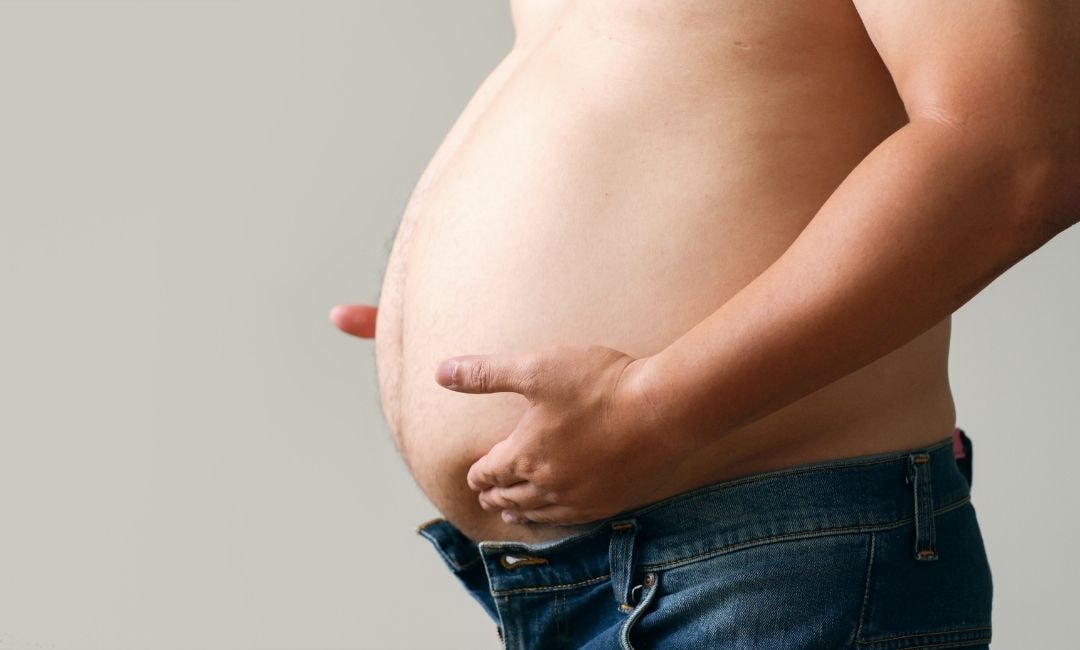
So we know the stomach can stretch a bit. But what specific actions are most likely to cause weight gain? It’s not about one big meal; it’s about repeated patterns. Here are the main culprits:
- Regularly Overeating: This is the most obvious one. Consistently pushing past the feeling of fullness puts pressure on your stomach pouch. Think of it like constantly overfilling a small bag – eventually, it’ll start to stretch.
- Eating Too Quickly: Your brain needs time to register that you’re full. Eating too fast means you might overeat before that signal kicks in. Slow down, chew thoroughly, and pay attention to your body’s cues.
- Drinking Carbonated Beverages: The fizz in carbonated drinks (soda, sparkling water) can introduce excess gas into your stomach. And lead to temporary expansion and discomfort. It is best to remove any carbonated drinks post-surgery.
- Not Following Dietary Guidelines: Your surgeon and dietitian provide post-op guidelines for a reason. These guidelines aren’t just about what to eat, but also how much and how often. Ignoring these guidelines could slow any progress you’ve made and could even compromise results.
- “Grazing” or Constant Snacking: Even small snacks throughout the day can add up. If you’re constantly putting something in your stomach, it never really gets a chance to fully empty and “rest.”
- Drinking Fluids With Meals: It’s optimal to drink fluids between meals instead. Gulping water down with food can take up valuable space in your smaller stomach. Forcing you to expand it to accommodate both food and liquid.
Dr. Choi and his team provide detailed post-operative instructions and support to help patients avoid these pitfalls. They understand that it’s not just about the metabolic and bariatric surgery itself, but about building healthy habits for life.
Proven Ways to Prevent Stomach Stretching
The good news? Stomach stretching or regaining weight after gastric sleeve is largely preventable. It’s about being proactive and developing mindful eating habits. Here are some proven strategies to avoid gain weight problem:
- Portion Control is King (or Queen!): Use smaller plates and bowls. Measure your food, especially in the early stages after the metabolic bariatric surgery. Get used to what a “proper” portion size looks like for your new stomach.
- Slow Down, Savor Each Bite: Put your fork down between bites. Chew your food thoroughly (20-30 times is a good guideline). This helps you feel full sooner and aids digestion.
- Protein First, Always: Prioritize protein at every meal. Protein keeps you feeling fuller for longer, helping to control hunger and cravings.
- Hydrate Between Meals: Aim to drink most of your fluids between meals, not during them. This prevents overfilling your stomach. A good rule is to wait 30 minutes after a meal before having a drink.
- Listen to Your Body’s Signals: Pay attention to those feelings of fullness. Stop eating when you’re comfortably satisfied, not stuffed. It takes practice, but it’s crucial.
- Plan Your Meals and Snacks: Don’t let yourself get overly hungry. Plan your meals and snacks ahead of time to avoid impulsive, unhealthy choices.
- Avoid Trigger Foods: Certain foods might cause uneasiness. This can be different from person to person. Pay attention to how different foods make your body feel.
- Regular Check-ins with Your Team: Stay connected with Dr. Choi and his team. Regular follow-up appointments are essential for monitoring your progress, addressing any concerns, and getting personalized support. They’re your partners in this journey.
- Find a strong support system: Look for post-bariatric surgery support groups, either in person or online.
Dr. Choi’s practice places a huge emphasis on patient education and long-term support. They don’t just perform the surgery and send you on your way. They equip you with the knowledge and tools you need to succeed. This includes nutritional counseling, support groups, and ongoing monitoring.
What to Do If You Think It’s Already Happening

If you’re experiencing increased hunger, significant weight regain, or feeling like you can eat more than you used to, don’t panic. It doesn’t automatically mean your stomach has drastically stretched. But it does mean it’s time to take action.
Here’s what you should do:
- Don’t Beat Yourself Up: It’s common to experience some fluctuations in weight and appetite after surgery. Acknowledge the situation, and focus on getting back on track.
- Track Your Food and Drink: Start keeping a detailed food journal. Write down everything you eat and drink, including portion sizes and times. This will help you (and your doctor) identify any potential problem areas.
- Revisit the Basics: Go back to the post-operative guidelines you received. Re-familiarize yourself with the recommended portion sizes, food choices, and eating habits.
- Reach Out to Your Surgeon: This is the most important step. Contact Dr. Choi’s office and schedule an appointment. Don’t try to self-diagnose or self-treat. Be honest and upfront about your concerns.
- Be Open to Adjustments: Your surgeon might recommend dietary changes, additional support (like counseling or nutrition guidance), or, in some cases, further testing to assess your stomach’s size and function.
Remember, early intervention is key. The sooner you address the issue, the easier it is to get back on the right path. Dr. Choi and his team are there to help you every step of the way, offering compassionate care and evidence-based solutions.
They offer revision surgeries, but more importantly, they provide the ongoing support needed to help you achieve and maintain your weight loss goals. Don’t hesitate to reach out – that’s what they’re there for. You could even book a weight loss consultation to explore your options.
Ready to Achieve Long-Term Weight Loss Success with Dr. Choi?
So, while your stomach can expand a bit after gastric sleeve, it’s far from inevitable. It’s about making conscious choices and building sustainable habits. Remember, your journey to lose weight is exactly that, a journey. Not a sprint.
Here are the key takeaways to keep in mind:
- Gastric sleeve surgery reduces stomach size, not eliminating the potential for stretching.
- Consistent overeating is the primary culprit behind stomach expansion.
- Mindful eating, portion control, and regular follow-ups are your best defense against excess body weight gain.
- If something feels off, reaching out is the right action.
With over 5,000 successful bariatric surgeries, Dr. Michael Choi understands the long-term commitment involved in average weight loss. His practice in South Florida offers not just the surgical procedure, but also the ongoing support and guidance needed to help you maintain your results and live a healthier, happier life. He is one phone call away.


