

Tired of diets that don’t deliver? Ready for a real solution to weight loss? Lap Band surgery might be just what you need. It’s a minimally invasive procedure that helps you manage your weight by adjusting your stomach size.
In this article, we’ll cover:
- What Lap Band surgery is and how it works
- Benefits and potential risks
- Who is the right candidate?
- What to expect during the recovery process
Dr. Michael Choi is a board-certified surgeon specializing in Lap Band conversion to gastric sleeve and other weight loss procedures. He’s helped countless people achieve their weight loss goals and regain control of their health by replacing lap band procedure with Gastric Sleeves!
What is Lap Band Surgery?

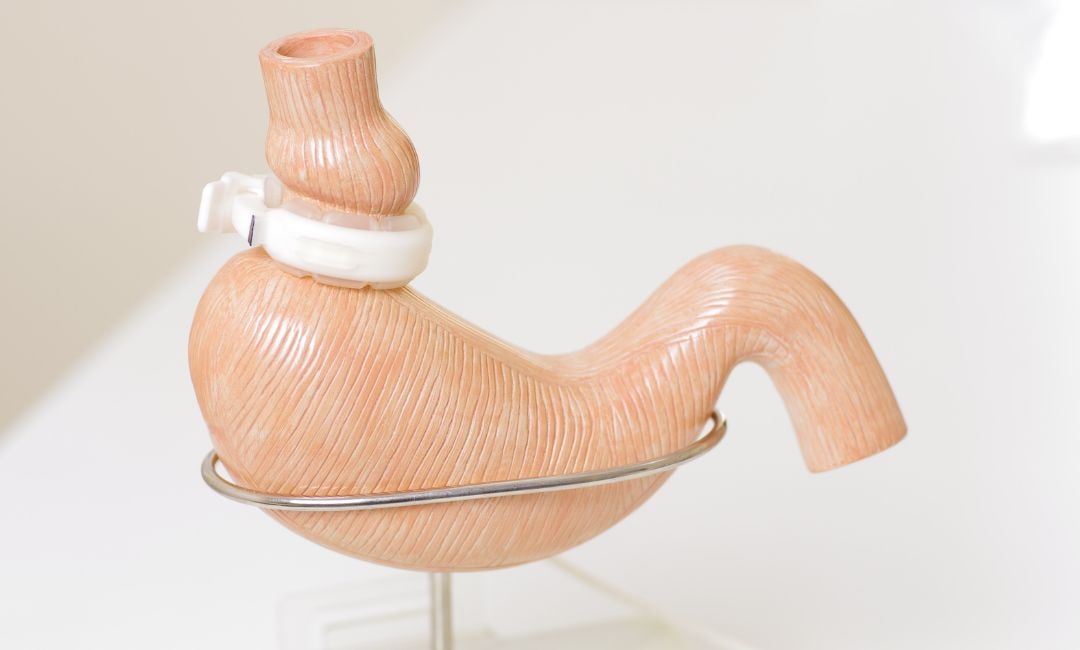
Lap Band surgery, also known as adjustable gastric banding, is a weight-loss procedure that involves placing an adjustable band around the upper part of your stomach. This laparoscopic adjustable gastric banding creates a small pouch that limits the amount of food you can eat at one time.
The band is connected to a port placed under your skin. Through this port, your surgeon can adjust the tightness of the band by adding or removing saline solution. This allows for personalized adjustments to your weight-loss journey.
How Lap Band Surgery Works
The laparoscopic gastric banding helps you lose weight in a few ways:
- Restriction: The smaller stomach pouch helps you feel full faster, so you eat less.
- Satiety: The band slows down the emptying of the pouch, keeping you feeling satisfied for longer.
- Hormonal Changes: Some studies suggest that Lap Band surgery may also affect hormones that regulate hunger and metabolism.
This metabolic and bariatric surgery is generally less invasive than other weight-loss surgeries, like gastric bypass or sleeve gastrectomy bariatric procedures. It’s also reversible and adjustable, making it a flexible option for many people.
Benefits of Lap Band Surgery
Gastric band surgery offers a range of benefits that can significantly improve your health and well-being. Here are a few:
- Significant Weight Loss: It can help you lose a substantial amount of weight, typically 40-60% of your excess weight. Imagine finally fitting into those clothes you’ve been saving.
- Improved Health: Weight loss achieved through Lap Band surgery can help improve or resolve morbid obesity-related health conditions like type 2 diabetes, high blood pressure, sleep apnea, and joint pain.
- Minimally Invasive: Compared to other average weight-loss surgeries, Lap Band surgery is less invasive. This means smaller incisions, less pain, and a faster recovery. You’ll be back on your feet in no time.
- Adjustable and Reversible: The band can be adjusted or removed entirely, providing flexibility and peace of mind.
- Improved Quality of Life: Losing weight can boost your self-esteem, increase your energy levels, and allow you to participate in activities you might have struggled with before.
Potential Risks of Lap Band Surgery
While the Lap Band procedure is generally safe, it’s important to be aware of potential risks and complications. These can include:
- Band slippage or erosion: In some cases, the band may slip out of place or erode into the stomach. This may require additional surgery.
- Port problems: The port used to adjust the band can sometimes become infected or dislodged.
- Nausea and vomiting: Some people experience nausea and vomiting after eating, especially if they eat too much or too quickly.
- Dehydration: It’s important to stay hydrated after surgery, as the smaller stomach pouch can make it harder to consume enough fluids.
- Nutritional deficiencies: It’s crucial to follow a healthy diet and take supplements as recommended to avoid nutritional deficiencies.
It’s important to discuss the potential risks and benefits with your surgeon before deciding if Lap Band surgery is right for you. They can help you understand the procedure and make an informed decision.
Pro Tip: Choosing an experienced surgeon like Dr. Choi can significantly reduce the risk of complications and improve your chances of success. Dr. Michael Choi has done over 5,000+ successful gastric sleeve surgeries and has converted countless of Lap Band procedures. Trust Dr. Michael Choi’s 20+ years of experience!

Who Is the Right Candidate for Lap Band Surgery?
Lap Band surgery isn’t a magic bullet for everyone. It’s important to understand if you’re a good candidate for this procedure. Generally, you might be a good fit if:
- Your BMI is 30 or higher: This indicates that you are significantly overweight or obese.
- You’ve tried other weight-loss methods without success: Lap Band surgery is typically recommended for people who have struggled to lose weight through diet and exercise alone.
- You’re committed to making lifestyle changes: Lap Band surgery is a tool to help you lose weight, but it requires an ongoing commitment to healthy eating and exercise habits.
- You’re in good overall health: While Lap Band surgery is less invasive than other procedures, it’s still surgery. Being in good health reduces your risk of complications.
- You understand the risks and benefits: It’s crucial to have realistic expectations and understand both the potential benefits and risks of the procedure.
Think Lap Band surgery might be right for you? Schedule a consultation with Dr. Choi to discuss your options and get personalized advice. He’ll help you understand if this procedure aligns with your weight-loss goals and overall health.
What to Expect During Lap Band Recovery
Here’s a glimpse into the recovery process:
- Hospital Stay: You’ll likely spend a day or two in the hospital after your surgery. This allows the medical team to monitor your recovery and manage any discomfort.
- Diet Progression: You’ll start with liquids and gradually progress to soft foods and then solids. This gives your stomach time to heal.
- Activity Level: You’ll need to take it easy for a few weeks, avoiding strenuous activity. But don’t worry. You’ll be back to your normal routine before you know it.
- Follow-up Appointments: You’ll have regular checkups with your surgeon to monitor your progress and adjust the band as needed.
- Lifestyle Changes: Remember, Lap Band surgery is a tool, not a magic wand. You’ll need to adopt healthy eating habits and incorporate regular exercise into your lifestyle for long-term success.
Recovery Tip: Stay hydrated. It’s easy to get dehydrated after surgery, so make sure you’re sipping on water throughout the day.
Recovery Time for Lap Band Surgery
One of the biggest perks of Lap Band surgery? The recovery time is generally quicker than other weight-loss procedures But, like any surgery, it still takes time to heal and adjust. Here’s what you can expect:
- Going Home: Most folks head home the same day or the day after surgery. No extended hospital stays here.
- Back to Work: If you have a desk job, you might be back in the office within a week. For more physically demanding jobs, it could take a bit longer.
- Everyday Activities: Light activities like walking are encouraged soon after surgery. You’ll gradually increase your activity level over a few weeks.
- Full Recovery: Most people feel back to their normal selves within 4-6 weeks.
Of course, everyone’s recovery is unique. Factors like your overall health and the specifics of your surgery can influence your recovery timeline.
Ready to Take Control of Your Weight? Get A Gastric Sleeve Instead of a Lap Band!
Lap Band surgery used to be a powerful tool for achieving significant weight loss and improving your health. But in 2025, Gastric Sleeve is the dominant choice that provides a safer weight loss journey for those looking to shave off weight.
Here’s what we covered:
- Lap Band surgery restricts food intake and promotes satiety.
- It’s a less invasive procedure with a faster recovery time.
- Benefits include weight loss, improved health, and enhanced quality of life.
- It’s essential to choose an experienced surgeon and commit to lifestyle changes.
Dr. Choi is a leading expert in Gastric Sleeve surgery, dedicated to helping patients achieve their weight-loss goals. With his personalized approach and commitment to excellence, you’ll be in good hands. Contact his office today to learn more and see if Weight Loss Surgery is the right choice for you.
FAQs
Is Lap Band surgery painful?
Any surgery involves some level of discomfort, but Lap Band surgery is considered minimally invasive. Most people report mild to moderate pain after the procedure, which is well-managed with pain medication.
What is the minimum weight for Lap Band surgery?
There’s no strict minimum weight, but you typically need a BMI of 30 or higher to be considered a candidate. Your surgeon will assess your individual circumstances to determine if Lap Band surgery is appropriate.
Why is Lap Band surgery no longer popular?
While Lap Band surgery was very popular in the past, newer procedures like Gastric Sleeve have become more common. This is partly due to the slightly higher long-term success rates of sleeve gastrectomy. However, Lap Band surgery remains a safe and effective option for many people, especially those who prefer an adjustable and reversible procedure.
What is the lifespan of a Lap-Band?
The Lap-Band is designed to be a long-term weight-loss tool. While it can last for many years, some people may eventually need to have it removed or replaced due to complications or changes in their weight-loss goals.
What is safer, Lap-Band or gastric sleeve?
Gastric sleeve is generally considered the safest weight-loss surgery procedure, with slightly lower complication rates than Lap Band surgery.
However, both procedures are safe and effective when performed by an experienced surgeon. The best choice for you will depend on your individual needs and preferences.


