

Your stomach can hold about 4 cups of food. A vertical sleeve gastrectomy reduces that to roughly 3 ounces—the size of a banana. This isn’t just a restriction. It’s a complete metabolic reset that changes how your body processes hunger, satiety, and weight.
Vertical sleeve gastrectomy has become the most popular bariatric surgery in the United States, accounting for over 60% of all weight loss procedures. However, understanding what actually happens during surgery and why it works so well can be the difference between making an informed decision and feeling uncertain about one of the most important choices of your life.
Here’s what we’ll cover:
- What a vertical sleeve gastrectomy is and how the procedure works
- How it differs from other bariatric surgeries
- Who qualifies as a candidate for the gastric sleeve
- Expected weight loss results and health improvements
- Recovery timeline and life after surgery
Dr. Michael Choi specializes in vertical sleeve gastrectomy, including advanced DaVinci Robotic Gastric Sleeve surgery—the only surgeon in South Florida offering this cutting-edge approach. With over 5,000 successful bariatric procedures, he helps patients achieve lasting weight loss and metabolic health improvements.
What Vertical Sleeve Gastrectomy Is and How the Procedure Works
Vertical sleeve gastrectomy, also called sleeve gastrectomy or simply gastric sleeve surgery, is a bariatric procedure that permanently reduces your stomach size to help you lose weight and improve obesity related health conditions.
The surgeon removes a large portion of your stomach, and the new, smaller stomach is about the size of a banana. We’re talking about removing roughly 75-80% of your stomach—leaving behind a narrow, vertical tube or banana-shaped stomach that fundamentally changes how much you can eat.
embed video here: https://youtu.be/dBS2m3tDIgQ
The Surgery Step-by-Step
Here’s exactly what happens during the procedure:
Pre-Operative Preparation
You will receive general anesthesia before this surgery, which is a medicine that keeps you asleep and pain-free. An anesthesiologist will then pass a small tube through your mouth down into the stomach.
The Minimally Invasive Procedure
The surgery is usually done using a small camera that is placed in your belly through a laparoscopic procedure. This minimally invasive surgical technique offers significant advantages over traditional open surgery.
Your surgeon makes 2 to 5 small incisions in your belly, and the scope and instruments needed to perform the surgery are inserted through these cuts. A harmless gas is pumped into your belly to expand it, giving the surgeon room to work.
Dr. Choi uses advanced DaVinci Robotic technology for many of his gastric sleeve procedures, offering even greater precision than standard laparoscopic techniques. The small camera is connected to a video monitor, allowing the bariatric surgeon to see every detail of your abdominal cavity during the operation.
Stomach Removal and Reshaping
The surgeon removes most of your stomach, and the remaining portions are joined together using surgical staples, creating a long vertical tube or banana-shaped stomach. The surgery does not involve cutting or changing the sphincter muscles that allow food to enter or leave the stomach.
This is important because it means your digestive system functions normally—food still travels through your digestive tract the same way, just in much smaller quantities.
Completion
The scope and other tools are removed, and the cuts are closed with stitches, staples, or glue. The surgery takes 60 to 90 minutes.
How Gastric Sleeve Surgery Works to Produce Weight Loss
The procedure works through multiple mechanisms:
- Physical restriction. Your new stomach holds only about 2-5 ounces of food compared to the original 4 cups. It limits the amount of food you can eat and makes you feel full after eating small amounts of food. You’ll experience increased fullness after just a small pouch worth of food.
- Hormonal changes. By removing a large portion of the stomach that produces the “hunger hormone” (ghrelin), it decreases hunger and increases fullness. The surgery affects gut hormones and changes your body’s chemical pathways and metabolism, which helps you feel satisfied with less food.
- Metabolic effects. Being a purely restrictive procedure, the surgery works to reduce caloric intake as well as decrease appetite through the removal of ghrelin-producing cells. It improves your body’s blood sugar control, which is why many patients see rapid improvements in type 2 diabetes.
Unlike other weight loss procedures that create malabsorption, the gastric sleeve doesn’t prevent your body from absorbing nutrients—it simply limits how much you can eat at once.
How It Differs from Other Bariatric Surgeries
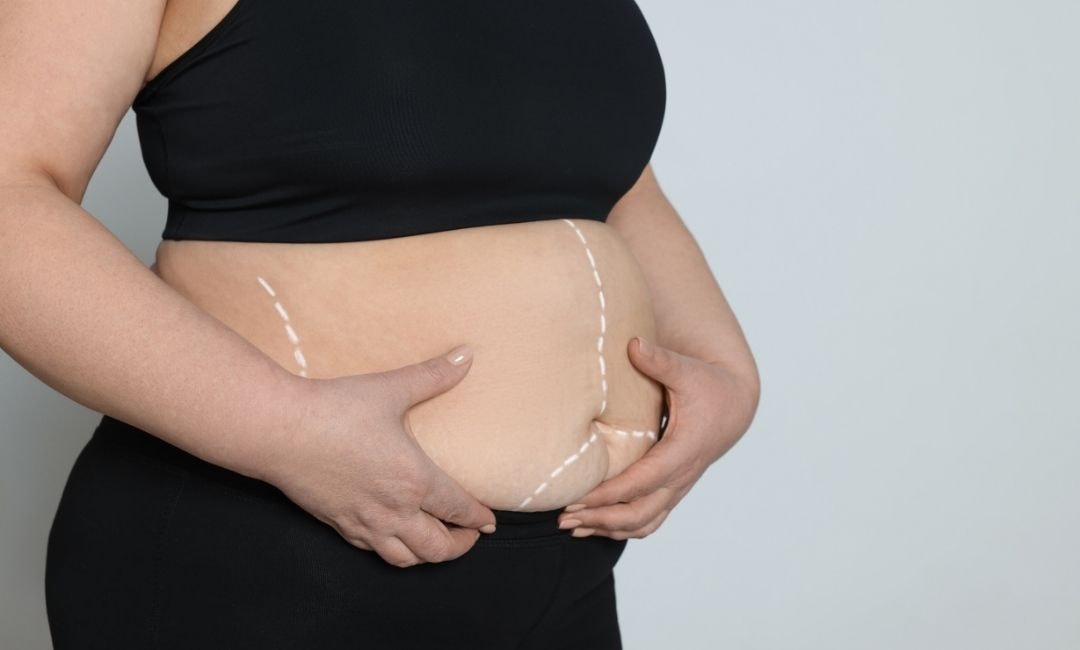
Understanding the differences between the gastric sleeve and other weight loss procedures helps you make an informed decision about which bariatric surgery is right for you.
Gastric Sleeve vs. Gastric Bypass
These are the two most popular bariatric surgeries performed in the United States, but they work quite differently.
The Structural Difference
With gastric sleeve surgery, a surgeon permanently removes about 80% of your stomach, and what remains is sewn into a small banana-shaped stomach pouch. Your small intestine remains unchanged.
During gastric bypass surgery, a surgeon creates a small stomach pouch by removing most of your stomach and the first part of your small intestine, then reconnects the newly created stomach pouch to the remaining small intestine. Food bypasses a large portion of your digestive system.
Weight Loss Results
Gastric sleeve patients lose between 60 and 70 percent of their excess body weight within 12 to 18 months, while gastric bypass patients can expect to lose 60 to 80 percent of excess weight. On average, people who’ve had a gastric bypass lose 10 to 25 pounds more than people who’ve had a sleeve gastrectomy.
However, both procedures result in significant long-term weight loss when patients follow their nutritional guidelines.
Risk Profile
Sleeve gastrectomy is a bit safer than gastric bypass—the risk of all complications is 3% after sleeve gastrectomy versus 5% with gastric bypass.
Gastric bypass carries a 4-7% chance of ulcer formation and a 4-6% chance of bowel issues requiring surgery. It also has a higher rate of dumping syndrome, where eating high-fat or high-sugar foods causes uncomfortable symptoms like rapid heartbeat, sweating, and nausea.
De novo gastro-oesophageal reflux disease occurred more frequently after sleeve gastrectomy (16%) versus gastric bypass (4%). This means if you don’t have acid reflux now, you’re more likely to develop it after a gastric sleeve than after a bypass.
Nutritional Considerations
Gastric sleeve preserves your body’s ability to absorb nutrients normally. Gastric sleeve surgery reduces the amount of food you can ingest, but your ability to absorb nutrients remains unimpaired.
Gastric bypass, on the other hand, causes malabsorption by rerouting the small intestine, requiring lifelong vitamin and mineral supplementation to prevent deficiencies.
Gastric Sleeve vs. Gastric Banding (Lap-Band)
Laparoscopic gastric banding (Lap-band) was once very popular, but due to its high rate of long-term complications and inferior weight loss, the number of Lap-band surgeries went down every year in the US.
Gastric banding involves placing an adjustable band around the upper stomach to create a small pouch. Unlike gastric sleeve, lap-band is reversible—but it’s also far less effective for achieving enough weight to resolve medical conditions like sleep apnea, high blood pressure, and type 2 diabetes.
Most patients choose the gastric sleeve over the gastric banding due to superior long-term success rates.
Gastric Sleeve vs. Duodenal Switch and SADI
The gastric sleeve was initially developed as the first part of a duodenal switch procedure, providing a degree of restriction before completing a small intestinal bypass. It was observed that patients would lose a significant amount of excess weight and improve comorbidities even prior to completion of the small intestinal bypass, leading to its development as a standalone procedure.
Duodenal switch and SADI surgeries combine a sleeve gastrectomy with intestinal rerouting for maximum weight loss—typically recommended for patients with a body mass index over 50 or those who need more aggressive intervention.
For most patients, the gastric sleeve alone provides excellent results without the complexity and higher risk of these combined procedures.
Who Qualifies as a Candidate for Gastric Sleeve
Not everyone struggling with weight qualifies for vertical sleeve gastrectomy. The procedure is now approved for surgical management of obesity in patients with body mass index (BMI) >35 kg/m² with one obesity related comorbidity or for patients with BMI >40 kg/m².
Body Mass Index Requirements
You likely qualify if:
- Your BMI is 40 or higher (regardless of other health conditions)
- Your BMI is 35-39.9 with at least one obesity related health condition like type 2 diabetes, high blood pressure, sleep apnea, high cholesterol, heart disease, or fatty liver disease
- You have tried other non-surgical weight loss methods with no long-term success
Use a BMI calculator to determine where you stand. But remember: body mass index is just one factor.
Medical Conditions That Support Surgery
Certain medical conditions make you a stronger candidate for gastric sleeve surgery:
Metabolic conditions:
- Type 2 diabetes that’s difficult to control
- High blood pressure requiring multiple medications
- High cholesterol and elevated triglycerides
- Non-alcoholic fatty liver disease
Physical health issues:
- Sleep apnea requires a CPAP machine
- Joint pain is limiting mobility
- Shortness of breath with minimal exertion
- Obesity-related infertility
Remission or improvement of obesity related health conditions such as diabetes mellitus type II, hypertension, sleep apnea, fatty liver disease, joint pain, and hyperlipidemia commonly occurs after gastric sleeve surgery, making it a powerful tool for improving overall health.
Pre-Surgery Requirements
Your surgeon will ask you to have tests and visits with your other health care providers before you have this surgery, including:
- Complete a physical exam to ensure you’re healthy enough for surgery
- Blood tests and imaging studies
- Visits with your provider to make sure other medical problems you may have, such as diabetes, high blood pressure, and heart or lung problems, are under control
- Nutritional counseling to prepare you for dietary changes
- A psychological evaluation to determine whether a patient is mentally prepared for the surgery and life after surgery
All patients scheduled for weight loss surgery are required to lose some weight prior to surgery—weight loss before bariatric surgery results in a decrease of liver size, making the surgery less difficult and faster, reducing postoperative complications.
Who May Not Be a Good Candidate
Vertical sleeve gastrectomy has most often been done on people who are too heavy to safely have other types of weight-loss surgery, but some people aren’t good candidates:
- Those unable to commit to lifelong dietary and lifestyle changes
- People with untreated mental health conditions
- Those with active substance abuse issues
- Patients with medical conditions make general anesthesia too risky
- Individuals unwilling to follow post-operative guidelines
This procedure cannot be reversed once it has been done, so being mentally prepared and committed is critical.
Dr. Choi conducts thorough evaluations to ensure each patient is a good candidate for surgery. His comprehensive approach examines not just your body mass index, but your overall health, medical history, and readiness for this life-changing bariatric procedure.
Expected Weight Loss Results and Health Improvements
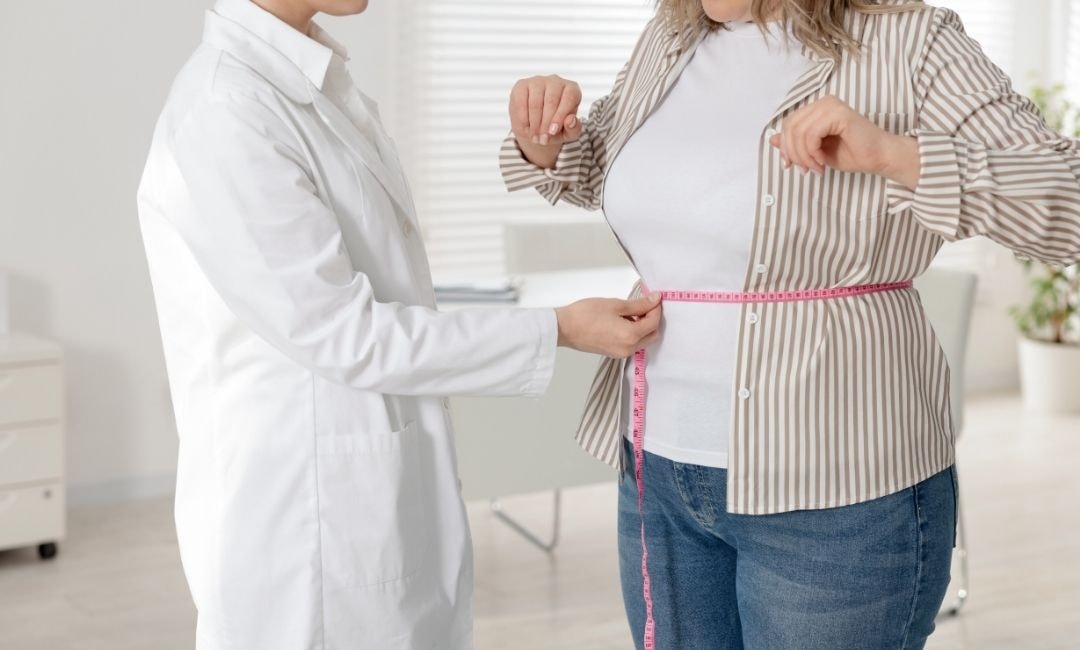
Let’s talk real numbers and actual outcomes.
How Much Weight Can You Expect to Lose?
People typically lose 50 to 60 percent of their excess weight within two to five years after surgery. You may lose from 50 to 90 pounds, but each person’s results will vary.
Here’s what that looks like in practice:
- First 3-6 months: Rapid weight loss phase. Most patients lose about one pound every few days during this period. You’ll notice dramatic changes in how your clothes fit and how you feel physically.
- 6-12 months: Continued steady weight loss. The benefit of the gastric sleeve is that you can lose 59% to 70% of excess weight within the first 2 years after surgery. This is when you’re developing new eating habits and adjusting to your smaller stomach.
- 12-18 months: Weight stabilization begins. By this point, you’ve likely lost more than half of your excess weight and are approaching your weight loss goals.
- Long-term maintenance: After 5 years of follow-up, many centers collected data showing that the majority of patients can maintain their weight loss after gastric sleeve surgery.
The key? Following your bariatric surgeon’s guidelines, maintaining a healthy diet, staying active, and attending follow-up appointments.
Improvement in Obesity Related Health Conditions
Weight loss is just part of the story. The real transformation happens with your health conditions.
Type 2 Diabetes
Most studies indicated that 60-80% of patients with type 2 diabetes could achieve disease remission or improvement after gastric sleeve surgery. Many patients reduce or eliminate their diabetes medications within months of surgery.
High Blood Pressure
Hypertension often improves dramatically as you lose weight. Many patients who required multiple blood pressure medications before surgery find they need fewer—or none at all—after reaching a healthy weight.
Sleep Apnea
Sleep apnea often improves after gastric sleeve surgery. Patients who couldn’t sleep without a CPAP machine frequently find they no longer need it once they’ve lost significant weight.
High Cholesterol and Heart Disease Risk
Cardiovascular disease risk improves as cholesterol levels normalize and blood pressure drops. Your heart doesn’t have to work as hard to pump blood through a lighter body.
Joint Pain and Mobility
Losing excess weight takes enormous pressure off your joints. Patients report being able to walk, exercise, and move without the chronic pain that plagued them before surgery.
Fatty Liver Disease
Non-alcoholic fatty liver disease often resolves completely as patients lose weight and improve their metabolic health.
Quality of Life Improvements
Beyond the numbers on the scale and lab results, patients report:
- Increased energy and stamina
- Better mood and reduced depression
- Improved self-confidence
- Ability to participate in activities they couldn’t before
- Better sleep quality
- Enhanced mobility and independence
- Reduced reliance on medications
Dr. Choi’s patients consistently report that gastric sleeve surgery gave them their lives back. One patient noted being able to play with their grandchildren for the first time in years—something that seemed impossible before losing weight.
Recovery Timeline and Life After Surgery
Understanding what to expect during recovery helps you prepare mentally and physically for the journey ahead.
Immediate Post-Operative Period (Days 1-7)
Most patients go home the same day or stay 1-2 nights in the hospital after gastric sleeve surgery. The duration of this minimally invasive procedure ranges from 30 to 60 minutes, and after the procedure, you will stay at the hospital for one or two nights.
What to expect:
- In general, the pain is easily manageable after surgery, and most patients take less than the recommended pain medication
- You’ll start with a clear liquid diet the day after surgery
- Walking is encouraged immediately to prevent blood clots
- You might feel some soreness around the small incisions
- Most patients describe feeling full very quickly when drinking
You should be able to drink clear liquids the day after surgery, and by the time you leave, you should be eating a puréed diet.
First Few Weeks (Weeks 1-4)
We recommend taking off three to four weeks from work. Most patients go back to work and/or school after 2-4 weeks.
Dietary progression:
- Day 1: Clear liquid diet. Water, broth, sugar-free gelatin.
- Days 2-21: Full liquid diet including protein shakes, yogurt, broth, milk, and juice. This is when you’re getting most of your nutrition from liquids while your stomach heals.
- Weeks 3-6: Soft food diet begins. Pureed foods, mashed vegetables, scrambled eggs, and other easily digestible options.
Fatigue is common the first 2 weeks due to low calorie intake from liquid diet, but the majority of patients do not feel hungry during this stage of the diet.
Returning to Normal Activities (Weeks 4-8)
Patients recover faster with minimally invasive surgical techniques compared to open surgery. By week 4-6, most patients feel ready to resume normal activities.
Patients can begin introducing regular food 6 weeks after surgery. This is a gradual process where you test how different foods feel in your new stomach.
What “normal” looks like:
- You’ll eat much smaller portions—think about one pound of food total per meal
- A large portion pre-surgery might have been 12-16 ounces; now it’s 2-4 ounces
- You eat more frequently throughout the day (5-6 small meals)
- Protein becomes your priority at every meal
- All patients must take a multivitamin and B complex after surgery
Long-Term Life After Gastric Sleeve
- Eating patterns: You can expect to feel full after eating only a small amount of food or liquid. Your stomach holds much less than before, and that increased fullness signal kicks in quickly.
- Patients are encouraged to eat a small amount of food each time and have meals that are more frequent. Instead of three large meals, you’ll typically eat 5-6 times per day.
- Foods to approach carefully: While your digestive system works normally, certain foods may cause discomfort:
- Very tough or fibrous meats
- Bread and pasta (can swell in your stomach)
- Carbonated beverages (can cause bloating)
- Foods high in sugar (may cause dumping syndrome in some patients, though this is less common with the gastric sleeve than the gastric bypass)
- Exercise and activity: Regular physical activity becomes easier as you lose weight. Start with walking and gradually increase intensity as you feel stronger. Exercise helps maximize weight loss and maintain your results.
- Follow-up care: Regular appointments with your bariatric surgeon and nutritionist are critical for long-term success. Dr. Choi provides ongoing support to ensure you’re meeting your weight loss goals and maintaining good overall health.
Potential Long-Term Complications
Leakage from the staple line is a rare complication of gastric sleeve surgery where the staple line opens after surgery—most leaks can be treated with endoscopic procedures.
Stricture/stenosis is another rare complication with narrowing of the stomach after sleeve gastrectomy, and most can be treated with endoscopic dilation.
Weight regain—after 1-2 years, slight weight regain is common among all bariatric procedures, and about 10-20% of patients can have significant weight regain after gastric sleeve surgery. This is why following dietary guidelines and staying active long-term is so important.
Heartburn—some patients may develop new heartburn, which is treatable with over-the-counter anti-acid medications in most cases.
What Makes Patients Successful Long-Term?
This surgery alone is not a solution to losing weight—it can train you to eat less, but you still have to do much of the work. To lose weight and avoid complications from the procedure, you will need to follow the exercise and eating guidelines that your surgeon and dietitian give you.
Dr. Choi emphasizes that gastric sleeve surgery is a powerful tool, but it requires commitment. His patients who achieve the best long-term weight loss success are those who:
- Follow dietary guidelines consistently
- Stay active with regular exercise
- Attend all follow-up appointments
- Take recommended vitamins and supplements
- Build a support system
- Address emotional eating patterns
- View the surgery as the beginning of a healthier lifestyle, not a quick fix
With Dr. Choi’s expertise in advanced robotic and minimally invasive surgical techniques, combined with comprehensive post-operative support, patients have everything they need to achieve lasting weight loss and improved health. His Miami and Fort Lauderdale practices welcome patients ready to transform their lives through vertical sleeve gastrectomy.
It’s Time to Transform Your Life with Dr. Choi’s Gastric Sleeve Surgery
Vertical sleeve gastrectomy offers a proven path to lasting weight loss and improved health. This minimally invasive bariatric surgery procedure addresses not just excess weight, but the medical conditions that diminish your quality of life—giving you a genuine second chance at health.
Key takeaways:
- Gastric sleeve removes 75-80% of your stomach, creating a banana-shaped pouch that limits food intake and reduces hunger hormones
- Patients typically lose 50-70% of excess weight within 12-18 months with significant improvements in diabetes, hypertension, and sleep apnea
- Recovery is faster with laparoscopic techniques—most patients return to work within 2-4 weeks
- The procedure carries a lower risk than gastric bypass (3% vs 5% complication rate) with excellent long-term outcomes
- Success requires following dietary guidelines, starting with clear liquids and progressing through a pureed diet to regular foods
Dr. Choi’s expertise in DaVinci Robotic Gastric Sleeve surgery—the only surgeon in South Florida offering this advanced approach—means you avoid the large incision and extended recovery of traditional methods. With over 5,000 successful bariatric surgery procedures performed over the past decade, he provides the skill and ongoing support you need for lasting transformation.
FAQs
What’s the difference between a gastric sleeve and a vertical sleeve?
There’s no difference. Gastric sleeve and vertical sleeve gastrectomy are the same procedure with different names. Both terms describe the bariatric surgery where a surgeon removes a large portion of the stomach, creating a vertical, banana-shaped pouch. Some people also call it sleeve gastrectomy or VSG.
What are the side effects of vertical sleeve gastrectomy?
Common short-term side effects include nausea, fatigue during the liquid and pureed diet phases, and discomfort around incision sites.
Long-term side effects may include acid reflux (in 15-20% of patients), vitamin deficiencies if supplements aren’t taken, hair thinning during rapid weight loss, and potential weight regain if dietary guidelines aren’t followed. Most side effects are manageable with proper medical guidance.
Is the gastric sleeve good for gastroparesis?
No. A gastric sleeve is generally not recommended for patients with gastroparesis (delayed stomach emptying). Since the procedure creates a smaller stomach that must empty through the same pyloric valve, it can worsen gastroparesis symptoms.
The reduced stomach size, combined with impaired motility and digestive juices flow, can lead to severe nausea and vomiting. Consult your bariatric surgeon about alternative weight loss procedures.
Is VSG considered a major surgery?
Yes, vertical sleeve gastrectomy is considered a major surgery performed under general anesthesia. However, when done laparoscopically through small incisions rather than one large incision, it’s classified as minimally invasive major surgery.
This means faster recovery, lower risk of complications, and less post-operative pain compared to traditional open bariatric surgery procedures that have been performed over the past decade.
What is the minimum weight for VSG surgery?
There’s no specific minimum weight—qualification is based on body mass index (BMI), not pounds. You typically need a BMI of 40 or higher, or a BMI of 35-39.9 with obesity-related health conditions like diabetes or high blood pressure. Someone who is 5’4″ might qualify at 235 pounds, while someone 6’2″ might need to weigh over 300 pounds to reach the same BMI threshold.


