

That stabbing pain in your upper right abdomen after dinner isn’t just indigestion. When your gallbladder turns from a quiet digestive helper into a source of excruciating pain, nausea, and repeated attacks, removal becomes necessary. Over 600,000 Americans undergo gallbladder removal surgery each year, making it one of the most common procedures performed in the U.S.
Most people don’t think about their gallbladder until it causes problems—and by then, the symptoms are impossible to ignore.
Here’s what we’ll cover:
- The main medical reasons why gallbladder removal becomes necessary
- Warning signs that indicate you need surgery
- What happens during and after the procedure
- Life without a gallbladder and what to expect
- How to know if you’re a candidate for surgery
Dr. Michael Choi performs minimally invasive gallbladder surgery at his Miami and Fort Lauderdale locations, helping patients find quick relief from gallbladder disease. With over 5,000 successful procedures and 23+ years of experience, he specializes in laparoscopic techniques that mean faster recovery and smaller scars.
The Main Medical Reasons Gallbladder Removal Becomes Necessary
Gallstones are the most common reason for gallbladder removal surgery. But they’re not the only reason why someone would need a gallbladder removal surgery.
embed video here: https://youtu.be/RvB4FFtF7bM
Gallstones (Cholelithiasis)
Gallstones are small, hard substances that form in the gallbladder when bile contains too much cholesterol or waste. About 20 million Americans have gallstones, with roughly 75% being cholesterol-based.
Here’s the problem: when gallstones obstruct the bile duct or block the passage where the gallbladder releases bile, they trigger what’s known as a gallbladder attack—intense abdominal pain that can last for hours.
Not everyone who has gallstones needs surgery—up to 70% of people don’t have any symptoms and can safely avoid surgery. But once you start experiencing symptoms, the likelihood you’ll need surgery increases dramatically.
When gallstones require treatment:
- Repeated attacks of biliary colic (pain after eating fatty foods)
- Stones causing inflammation or infection
- Gallstones block the bile duct completely
- Risk of complications like pancreatitis or sepsis
Acute Cholecystitis (Gallbladder Inflammation)
Acute cholecystitis, inflammation of the gallbladder, is a serious condition that nearly always requires cholecystectomy. This occurs when gallstones obstruct the opening of the gallbladder, trapping bile inside and causing the organ to become swollen and infected.
Gallbladder inflammation can progress quickly. The gallbladder wall becomes thickened, infection sets in, and without surgery to remove the gallbladder, you risk life-threatening complications like gangrene or a ruptured organ.
Biliary Dyskinesia (Abnormal Gallbladder Function)
Biliary dyskinesia is a functional gallbladder disorder that affects the gallbladder’s motility—its ability to move bile out into the bile ducts. Think of it as a gallbladder that’s stopped doing its job properly, even though there are no gallstones present.
The main function of your gallbladder is to store bile made by your liver and pass it on to your small intestine to help with digestion. When the gallbladder doesn’t contract effectively to release this digestive fluid, bile backs up and causes symptoms similar to gallstone disease.
Diagnosis is made through a HIDA scan that measures gallbladder ejection fraction, with values less than 35-40% considered abnormal. The only known effective treatment for gallbladder biliary dyskinesia is gallbladder removal.
Gallstone Pancreatitis
When gallstones cause pancreatitis, it can lead to serious health problems. This happens when a stone travels from the gallbladder into the common bile duct and blocks the pancreatic duct—the tube that carries digestive enzymes from your pancreas.
The result? Your pancreatic enzymes start digesting your own pancreas, causing severe inflammation and potentially life-threatening complications. Surgery to remove the gallbladder prevents future episodes.
Gallbladder Cancer
Gallbladder cancer is a very rare type of cancer, but if you have cancer in the gallbladder or a high risk of developing it, you may benefit from surgery to remove the gallbladder. This is one situation where surgeons typically perform an open cholecystectomy rather than laparoscopic surgery to ensure complete removal.
Gallbladder Polyps or Masses
Not everyone with gallbladder polyps needs surgery, but large polyps (over 1 cm) or those that are growing carry a risk of becoming cancerous. Removing the gallbladder eliminates this risk entirely.
Dr. Choi evaluates each patient’s specific gallbladder problems to determine if surgery is necessary. With minimally invasive laparoscopic techniques, most patients can avoid the large incision and lengthy recovery associated with traditional open surgery.
Warning Signs That Indicate You Need Surgery

How do you know if your gallbladder issues have progressed beyond the point where conservative treatment works? These warning signs indicate you need surgery.
Biliary Colic: The Classic Gallbladder Attack
Patients often present with right upper quadrant or epigastric pain, classically occurring after the ingestion of fatty foods and radiating to the right shoulder or back.
This isn’t ordinary indigestion. A gallbladder attack involves:
- Sudden, severe pain in the upper right abdomen that can make you double over
- Pain lasting 30 minutes to several hours
- Symptoms triggered by eating fatty foods
- Pain that radiates to your shoulder blade or right shoulder
- Intense enough to send you to the emergency room
One attack might be manageable. Repeated attacks? That’s your body screaming that something needs to change.
Red Flag Symptoms Requiring Immediate Attention
Some symptoms signal complications that require urgent surgery:
- Pain lasting more than 24 hours. Pain lasting more than 24 hours suggests progression to acute cholecystitis.
- Fever with abdominal pain. This indicates infection and inflammation that won’t resolve on its own.
- Nausea and vomiting. When combined with intense abdominal pain, especially if you can’t keep anything down, this signals gallbladder disease requiring treatment.
- Jaundice. Yellowing of the skin and whites of the eyes means gallstones block the biliary tract completely, preventing bile from flowing to your small intestine. This is a medical emergency.
- Murphy’s Sign. During physical examination, if you experience inspiratory arrest (you can’t breathe in) when a doctor presses on your upper right abdomen, this strongly suggests gallbladder inflammation.
Progressive Digestive Issues
Some people experience chronic gallbladder problems that gradually worsen:
- Persistent bloating after meals
- Difficulty digesting fatty foods
- Recurring nausea without a clear cause
- Diarrhea or changes in stool
- Unexplained weight loss
According to the United States National Institutes of Health, over 500,000 people undergo gallbladder removal surgery each year—most after experiencing these escalating symptoms.
When Conservative Treatment Fails
If you’ve tried managing symptoms by avoiding eating fatty foods, following a low-fat diet, and taking medication but still experience problems, surgery becomes the most effective solution.
Dr. Choi specializes in identifying when gallbladder disease has progressed to the point where removal offers better outcomes than continued conservative management. His 23+ years of experience mean he can distinguish between gallbladder issues that respond to lifestyle changes and those requiring surgical intervention.
What Happens During and After the Procedure
Understanding the surgery and recovery process removes much of the anxiety about gallbladder removal. Here’s what to expect.
Types of Gallbladder Surgery
There are two main approaches to cholecystectomy:
Laparoscopic Cholecystectomy (Most Common)
Laparoscopic cholecystectomy uses small incisions and a thin camera to remove the gallbladder through a minimally invasive procedure. This involves four small incisions that are camera-guided for faster recovery, minimal scarring, and often same-day discharge.
Dr. Choi performs this minimally invasive approach for most patients. The benefits are substantial:
- Smaller scars (just a few small incisions instead of one large incision)
- Less post-operative pain
- Faster recovery time
- Lower risk of infection
- Most patients go home the same day
Open Cholecystectomy
Open cholecystectomy uses one larger incision and is typically reserved for cases when scarring or complications prevent laparoscopic surgery, or when gallbladder cancer is suspected. This requires a longer hospital stay.
The Laparoscopic Procedure Step-by-Step
During laparoscopic surgery, here’s what happens:
- You receive general anesthesia, so you’re completely asleep
- The surgeon makes several small incisions in your abdomen
- Carbon dioxide gas inflates your abdomen for better visualization
- A tiny camera (laparoscope) goes through one incision
- Surgical instruments enter through the other small incisions
- The surgeon carefully separates the gallbladder from the liver and bile duct
- The gallbladder is removed through one of the small incisions
- The surgeon closes the incisions with dissolvable stitches
Some surgeons use robotic arms for better precision and a clear 3D view of the gallbladder. The entire procedure typically takes 1-2 hours.
Recovery Timeline: What to Expect
First 24-48 Hours
Most people who have laparoscopic surgery can return home the same day or stay one night for observation. You’ll feel groggy from anesthesia and have some soreness around the incision sites.
Pain is typically manageable with prescribed medications. Many patients describe it as feeling like they did too many sit-ups rather than sharp surgical pain.
First Few Weeks
Recovery from laparoscopic cholecystectomy allows light activity in a few days, with most people returning to normal activities within 1-2 weeks.
During this period:
- Avoid heavy lifting (nothing over 10-15 pounds)
- Take short walks to prevent blood clots
- Follow your surgeon’s dietary guidelines
- Rest when your body tells you to
Full Recovery
Recovery time depends on several factors, including age, overall health, and the type of surgery. For laparoscopic procedures, most people fully recover within 2-3 weeks. Open surgery recovery takes longer—typically four to six weeks.
Dr. Choi provides detailed post-operative instructions and follows up with patients regularly during recovery. His commitment to patient care extends well beyond the operating room.
Small Risk of Complications
Cholecystectomy is a common procedure with a relatively easy recovery, but like any surgery, there’s a small risk of complications:
- Bleeding or infection at incision sites
- Injury to the bile duct (rare but serious)
- Blood clots
- Reaction to general anesthesia
- Injury to nearby organs, like the small intestine or liver
These complications are uncommon, particularly when surgery is performed by experienced surgeons using minimally invasive techniques.
Life Without a Gallbladder: What to Expect
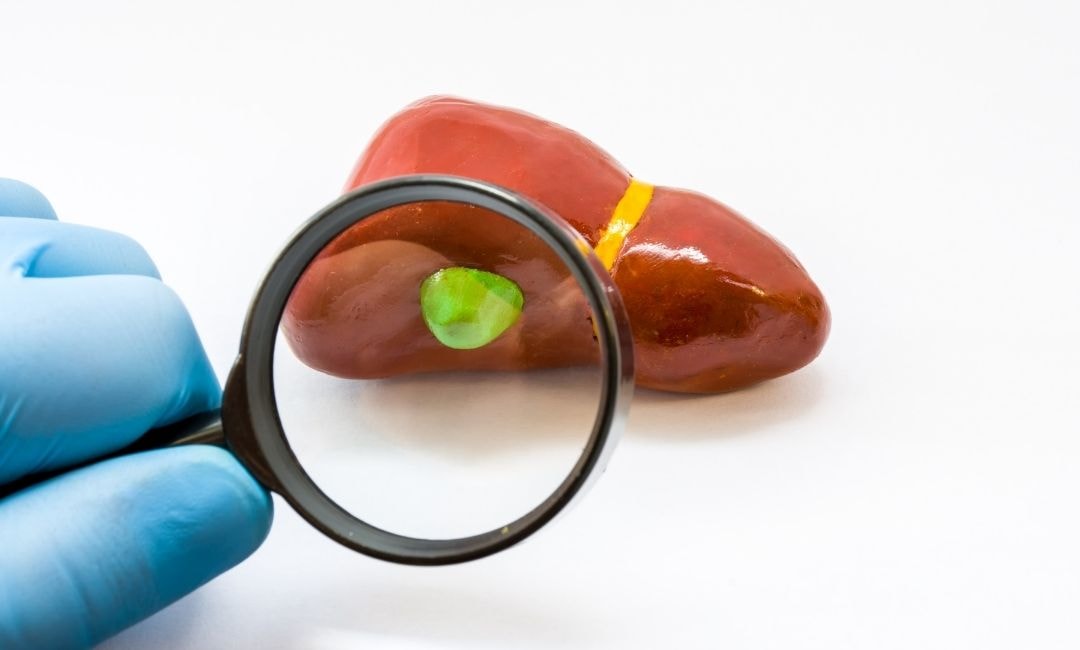
The gallbladder is a small organ that stores bile, but here’s the good news: you don’t need it to live a healthy, normal life.
How Digestion Changes After Surgery
After a cholecystectomy, bile flows directly from your liver to your small intestine through the common bile duct instead of being stored in the gallbladder.
Before surgery, your gallbladder acted like a reservoir, storing concentrated bile and releasing it when you ate fatty foods. After surgery, your liver produces bile continuously, and it drips steadily into your digestive system.
Temporary Digestive Adjustments
Most people experience a temporary adjustment period in their digestive systems after gallbladder removal. For the first month or so, you might have more trouble digesting fats and heavier meals, but this should gradually improve over time.
Common temporary issues include:
- Diarrhea (typically resolves within a few weeks)
- Bloating after meals
- More frequent bowel movements
- Mild discomfort when eating fatty foods
Most people adjust to life without a gallbladder within a few weeks.
Dietary Guidelines Post-Surgery
Immediately after surgery, you’ll want to avoid eating large, fatty meals. Start with:
- Lean proteins like chicken, fish, and turkey
- Fresh fruits and vegetables
- Whole grains
- Low-fat dairy products
- Smaller, more frequent meals
Most people can resume a normal, healthy eating plan after their recovery. You don’t need to follow a special diet long-term, though if you notice certain foods trigger symptoms, you may wish to avoid them.
Long-Term Outcomes
People can live healthy lives without a gallbladder, with most noticing little to no change in digestion long-term.
The reality? Most people feel better after gallbladder removal than they did with a malfunctioning gallbladder causing symptoms. No more gallbladder attacks. No more intense abdominal pain after eating. No more nausea and fear of triggering another episode.
A small number of people develop longer-term digestive difficulties for unclear reasons, but this is the exception rather than the rule.
What About Weight Gain?
Some patients worry about weight gain after gallbladder removal. The surgery itself doesn’t cause weight gain. However, if you were avoiding eating due to pain before surgery, you might gain weight simply because you can finally eat comfortably again.
Maintaining a balanced diet rich in fiber, lean proteins, and whole foods while staying active helps maintain a healthy weight post-surgery.
Dr. Choi’s patients consistently report improved quality of life after recovery. One patient noted feeling relief from years of digestive issues within weeks of the minimally invasive procedure.
How to Know If You’re a Candidate for Surgery
Not everyone with gallbladder problems needs immediate surgery, but certain factors make you a strong candidate for cholecystectomy.
You’re Likely a Candidate If:
- You have symptomatic gallstones. If your gallstones cause symptoms like abdominal pain, it’s likely that you’ll need surgery. Symptomatic gallstones require removal to prevent you from developing more serious problems in the future.
- You’ve had acute cholecystitis. Gallbladder inflammation requires surgery. Period. Treatment for acute cholecystitis nearly always includes cholecystectomy.
- You have biliary dyskinesia with a low ejection fraction. If testing shows your gallbladder function is abnormal (ejection fraction below 35-40%) and you’re experiencing biliary-type pain, surgery offers the best outcome.
- You’ve had gallstone pancreatitis. Once gallstones have triggered pancreas inflammation, surgery to remove the gallbladder prevents future episodes.
- You have gallbladder polyps over 1 cm. Larger polyps carry cancer risk and warrant removal.
Factors That Improve Surgical Success
Your overall health matters when determining surgical candidacy:
- Age and fitness level affect recovery time, but don’t disqualify you from surgery
- Body mass index may influence which surgical approach surgeons use
- Other medical conditions are evaluated to ensure you can tolerate general anesthesia
- Commitment to post-operative care improves outcomes
Who Might Not Need Surgery
Not everyone who has gallstones needs a cholecystectomy—if you have gallstones that aren’t causing any symptoms, you can safely avoid surgery.
“Silent” gallstones found incidentally on imaging during unrelated procedures don’t require treatment. Since up to 70% of people don’t have any symptoms from their gallstones, that means most people can skip surgery.
The key question: Are your gallbladder problems causing symptoms that affect your quality of life?
The Consultation Process
Dr. Choi evaluates several factors during your consultation:
- Symptom severity and frequency – How often do you experience gallbladder attacks?
- Diagnostic imaging results – What do ultrasounds or HIDA scans show about your gallbladder function?
- Impact on daily life – Are you limiting activities or avoiding certain foods due to fear of symptoms?
- Risk of complications – Is there evidence of infection, inflammation, or blockage in the biliary tract?
- Overall health status – Are you healthy enough for a laparoscopic procedure under general anesthesia?
Making the Decision
Surgery is a big decision, but living with chronic gallbladder disease takes its own toll. When gallbladder problems prevent you from eating comfortably, enjoying meals with family, or living without fear of another attack, surgery offers a permanent solution.
Dr. Choi has performed over 5,000 successful surgeries, giving him the expertise to recommend the best treatment approach for your specific gallbladder issues. His minimally invasive techniques mean faster recovery, smaller scars, and less disruption to your life.
Get Relief from Gallbladder Problems with Dr. Choi
Living with gallbladder disease means constant fear of the next attack. Whether it’s gallstones, inflammation, or abnormal gallbladder function, surgery offers a permanent solution that lets you eat without pain, sleep without worry, and reclaim your quality of life.
Key takeaways:
- Gallstones are the most common reason for gallbladder removal, but inflammation and biliary dyskinesia also require surgery
- Warning signs include intense upper abdomen pain after fatty foods, nausea, fever, and pain radiating to the shoulder
- Laparoscopic cholecystectomy is a minimally invasive, common surgery with a fast recovery—most patients go home the same day
- Life without a gallbladder is perfectly normal, with bile flowing directly from the liver to the intestine
- You’re a candidate if symptoms affect your quality of life and testing confirms gallbladder disease
Dr. Choi’s expertise in minimally invasive gallbladder surgery has helped thousands of patients find lasting relief. With locations in Miami and Fort Lauderdale, he uses advanced laparoscopic techniques to treat gallstones and gallbladder disease effectively while minimizing recovery time and scarring.
Ready to find relief from gallbladder disease? Contact Dr. Choi’s Miami or Fort Lauderdale office for a consultation. With his experience performing laparoscopic cholecystectomy, you’re in capable hands.
Frequently Asked Questions
What is the main reason for gallbladder removal?
Gallstones are the most common reason someone needs their gallbladder removed. These hard deposits block bile flow and cause intense pain, inflammation, and potential complications. When gallstones cause recurring symptoms, surgery becomes the most effective way to treat gallstones permanently and prevent future attacks.
How serious is needing your gallbladder removed?
Gallbladder removal is a common surgery with excellent safety profiles when performed laparoscopically. While any surgery carries small risks, leaving symptomatic gallbladder disease untreated is more dangerous—potentially leading to infection, pancreatitis, or organ rupture. Most patients recover quickly and experience significant improvement in quality of life.
What is the main cause of gallbladder problems?
Gallbladder problems typically develop when bile contains too much cholesterol or waste products, forming gallstones. Other causes include abnormal gallbladder function (biliary dyskinesia), infection, inflammation, and, in rare cases, cancer. Risk factors include genetics, obesity, age, rapid weight loss, and certain medical conditions.
Can the gallbladder cause shoulder pain?
Yes. Gallbladder attacks commonly cause pain that radiates from the upper abdomen to the right shoulder or shoulder blade. This referred pain occurs because the nerves serving the gallbladder and shoulder share pathways. If you experience persistent upper abdomen pain with right shoulder pain, especially after eating, it’s a classic sign of gallbladder disease requiring evaluation.


