

That $15,000-$25,000 price tag for bariatric surgery feels impossible when your credit score starts with a 5. Here’s what surgeons won’t tell you: Bad credit doesn’t automatically disqualify you from financing. Last year, most weight loss surgery patients used some form of financing, and many had scores under 600.
Your health can’t wait for perfect credit. There are backdoor financing routes, medical-specific lenders, and creative payment strategies that bypass traditional credit requirements entirely.
What we’ll cover:
- Medical loans designed for bad credit situations
- Insurance appeals that actually work
- Payment plans directly through surgical practices
- Non-traditional funding sources you haven’t considered
- Credit score workarounds and co-signer strategies
Dr. Michael Choi’s practice in South Florida sees this daily—patients convinced they can’t afford surgery until his team walks them through all the options. He accepts six major insurance carriers and offers multiple financing partnerships. After 5,000+ procedures, he knows exactly which funding routes work for different financial situations.
Medical Loans Designed for Bad Credit Situations
Traditional banks see your 580 credit score and slam the door. Medical lenders? They see a patient who needs surgery and work backwards from there. These specialized lenders understand that medical debt differs from buying a boat—it’s about survival, not luxury.
- CareCredit approves scores as low as 550 when you apply with a co-signer. Their promotional periods offer 0% interest for 6-24 months on procedures over $200. Miss a payment, though, and you’re hit with 26.99% APR retroactively.
- Prosper Healthcare Lending looks beyond credit scores. They factor in employment history, income stability, and debt-to-income ratios. Patients with 560+ scores regularly get approved for $15,000-$30,000 at 5.99%-35.99% APR.
- Here’s the backdoor method: Apply for multiple medical cards simultaneously. Alphaeon Credit, AccessOne, and United Medical Credit all pull credit differently. One rejection doesn’t predict another.
Pro tip: Apply on the same day. Multiple inquiries for medical financing within 14 days count as one hard pull on your credit report.
Dr. Choi’s office partners with several medical lenders and knows which ones favor certain credit profiles. His financial coordinator often suggests specific lenders based on your situation—saving you unnecessary credit pulls on applications destined to fail.
Insurance Appeals That Actually Work

Your insurance plan denied coverage for gastric bypass surgery? That’s just round one. Most patients don’t know that 63% of initial denials get overturned on appeal when done correctly.
The secret weapon: medical necessity documentation. Your doctor needs to prove that diet and exercise failed repeatedly. Document every weight loss attempt for the past two years—Weight Watchers, gym memberships, nutritionist visits. Insurance companies want proof you’ve tried everything else first.
Build your appeal arsenal:
- BMI documentation over 40 (or 35 with comorbidities)
- Failed supervised diet programs (6+ months)
- Comorbidity diagnoses (diabetes, sleep apnea, hypertension)
- Psychological evaluation confirming you’re eligible
- Letter from your primary physician supporting surgery
Submit everything at once. Piecemeal appeals get denied. Include peer-reviewed studies showing gastric sleeve surgery’s long-term success rates versus traditional weight loss methods.
The power move: Request an external review if your second appeal fails. Independent doctors review your case without bias. This costs your insurance company money, so they often approve before it reaches that stage.
Dr. Choi’s team has a dedicated insurance specialist who’s fought these battles thousands of times. They know exactly which documentation each carrier prioritizes and can spot missing pieces that trigger automatic denials.
Payment Plans Directly Through Surgical Practices
Skip the middleman. Many bariatric surgery practices offer in-house financing that banks and medical lenders can’t match. No credit checks. No interest. Just monthly payments based on what you can actually afford.
These self-pay arrangements typically require 10-25% down, then spread the remaining costs over 12-24 months. A $20,000 gastric bypass becomes $2,000 down and $750/month. More manageable than explaining bankruptcy to creditors later.
In-house payment plan benefits:
- No credit score requirements
- Flexible payment dates (match your payday)
- The procedure happens immediately after the down payment
- Renegotiation is possible if the financial situation changes
- No penalties for early payoff
Some practices partner with surgical centers to reduce costs further. Instead of hospital fees reaching $30,000+, outpatient centers charge $12,000-18,000 for the same gastric sleeve surgery. Lower total = lower monthly payments.
Ask about “case rates“—flat fees covering everything from pre-op to post-op care. This protects against surprise bills and makes budgeting straightforward.
Dr. Choi offers customized payment plans for qualifying patients, understanding that weight loss procedures are investments in long-term health. His team evaluates each situation individually rather than using rigid lending criteria.
Non-Traditional Funding Sources You Haven’t Considered
Your 401(k) isn’t just for retirement—it might fund your weight loss goals today. Medical hardship withdrawals or loans against your retirement avoid credit checks entirely. You’re borrowing from yourself, paying yourself back with interest.
Hidden funding sources most patients miss:
- Health Savings Accounts (HSA): Bariatric procedures qualify as deductible medical expenses
- Flex Spending Accounts (FSA): Use pre-tax dollars for surgery costs
- Employer wellness programs: Some companies contribute $2,000-5,000 toward weight loss surgery
- State vocational rehabilitation: If obesity prevents you from working
- Medical tourism packages: Mexico procedures cost 60-70% less, including travel
Crowdfunding isn’t just for startups. GoFundMe reports over $650 million raised for medical procedures annually. Share your story, include health risks without surgery, and watch your network contribute. Average medical campaigns raise $3,000-7,000.
Church and community organizations often have medical assistance funds. Local Rotary Clubs, Lions Clubs, and religious organizations regularly help members afford other bariatric procedures. You just have to ask.
Consider medical credit unions. They offer lower rates than traditional bariatric surgery financing companies—sometimes 4-8% APR versus 15-30%. Membership requirements are usually minimal.
Credit Score Workarounds and Co-Signer Strategies
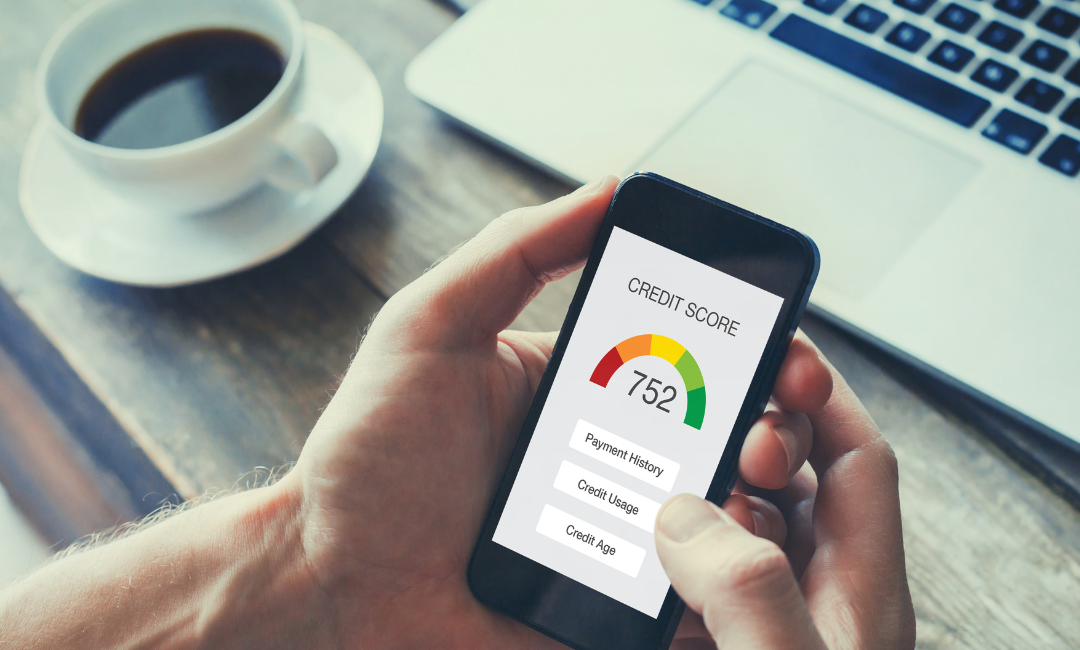
Bad credit doesn’t mean dead ends—it means finding alternative routes. Co-signers change everything. That 520 score becomes irrelevant when your co-signer has 700+. Suddenly, you’re eligible for prime rates on $25,000+ loans.
Choose co-signers strategically. Parents are obvious choices, but consider siblings, adult children, or close friends who understand the health benefits at stake. Offer to pay their phone bill or cover their car insurance while you’re repaying the loan. Make it worth their risk.
The authorized user hack:Become an authorized user on someone’s established credit card with a perfect payment history. Their positive history instantly appears on your credit report. Score jumps of 50-100 points happen within 30-45 days.
Secured medical credit cards build credit while funding surgery. Put down $500-1,000 as collateral, receive that amount in credit, and use it toward your procedure. After 6 months of payments, many convert to unsecured cards with higher limits.
Split your weight loss surgery financing across multiple sources. Use CareCredit for $5,000, a personal loan for $5,000, and practice financing for the rest. Smaller amounts equal higher approval odds.
Dr. Choi’s financial team sees creative financing combinations daily. They’ll help structure payment plans that work with your other financing options, maximizing approval chances while minimizing total interest paid.
Your Bariatric Surgery Financing Starts With Dr. Choi’s Team
Bad credit isn’t a death sentence for your weight loss surgery dreams. Between medical loans, insurance appeals, and creative funding strategies, there’s always a path forward. The key? Exploring every option systematically rather than accepting the first “no.”
Key takeaways:
- Medical lenders approve scores as low as 550 with co-signers
- 63% of insurance denials get overturned with proper appeals
- In-house payment plans skip credit checks entirely
- 401(k) loans and HSAs provide credit-free funding
- Multiple small loans beat one large rejection
- Co-signers unlock prime rates despite your credit score
Dr. Choi’s financial coordinators have seen every credit situation imaginable—from bankruptcy to perfect scores. They’ll match you with the right bariatric surgery financing mix from their network of lenders, insurance expertise, and flexible payment plans. With six major insurance carriers accepted and multiple financing partnerships, they find solutions others miss.
FAQs
How to get financing for weight loss surgery?
Start with specialized medical lenders like CareCredit or Prosper Healthcare, which approve lower credit scores than banks. Apply for multiple financing options simultaneously—medical credit cards, personal loans, and practice payment plans. Check if your insurance covers bariatric procedures after documenting failed diet attempts. Consider HSA funds, 401(k) loans, or co-signers for better rates.
Can I pay monthly for weight loss surgery?
Yes, most surgical practices offer monthly payment plans ranging from 12-24 months. These self-pay arrangements typically require 10-25% down, then fixed monthly payments without credit checks. Medical financing companies also provide monthly plans with terms from 6-84 months, though interest rates vary based on creditworthiness.
How do people afford bariatric procedures?
People combine multiple funding sources: insurance coverage (when eligible), medical loans, practice payment plans, HSA/FSA funds, 401(k) withdrawals, and personal loans. Many use crowdfunding, employer wellness benefits, or state assistance programs. The average patient uses 2-3 different financing methods to cover the $15,000-25,000 costs.


